Introducing Moose and Otter

Care partners with four legs – and huge hearts

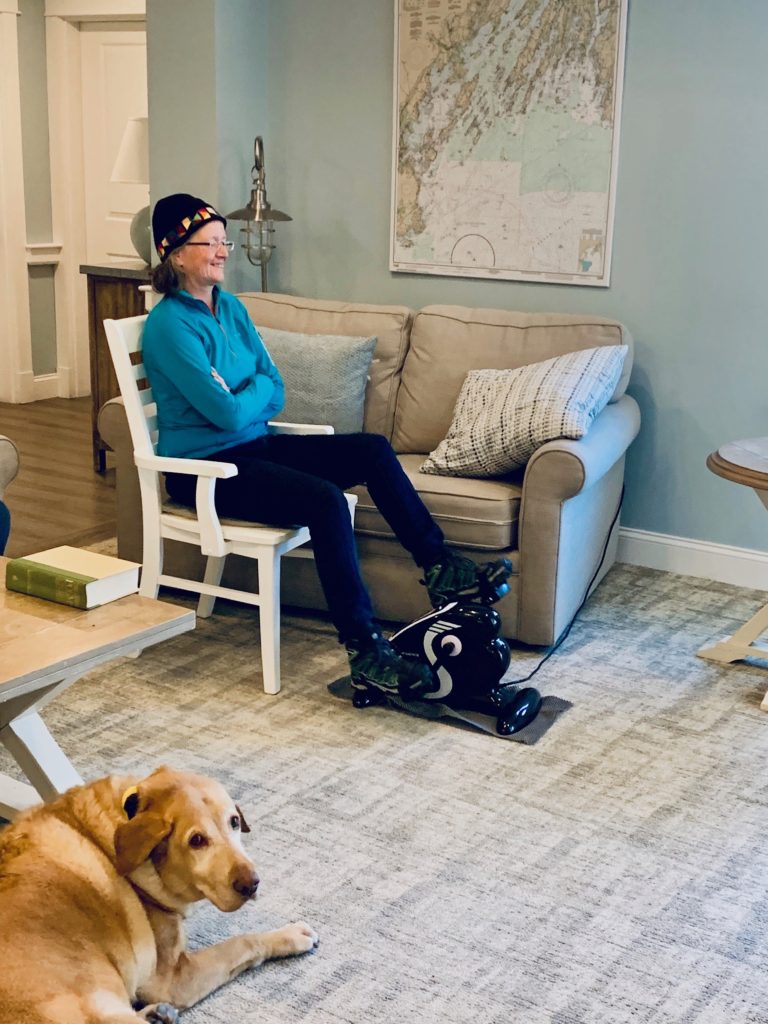
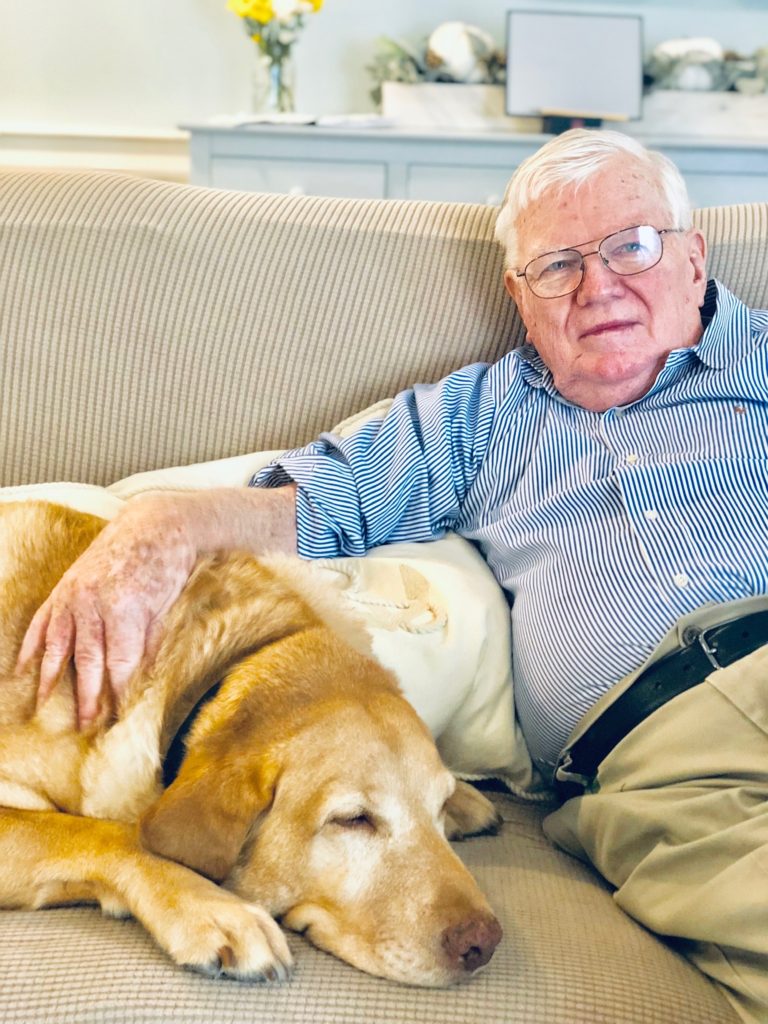
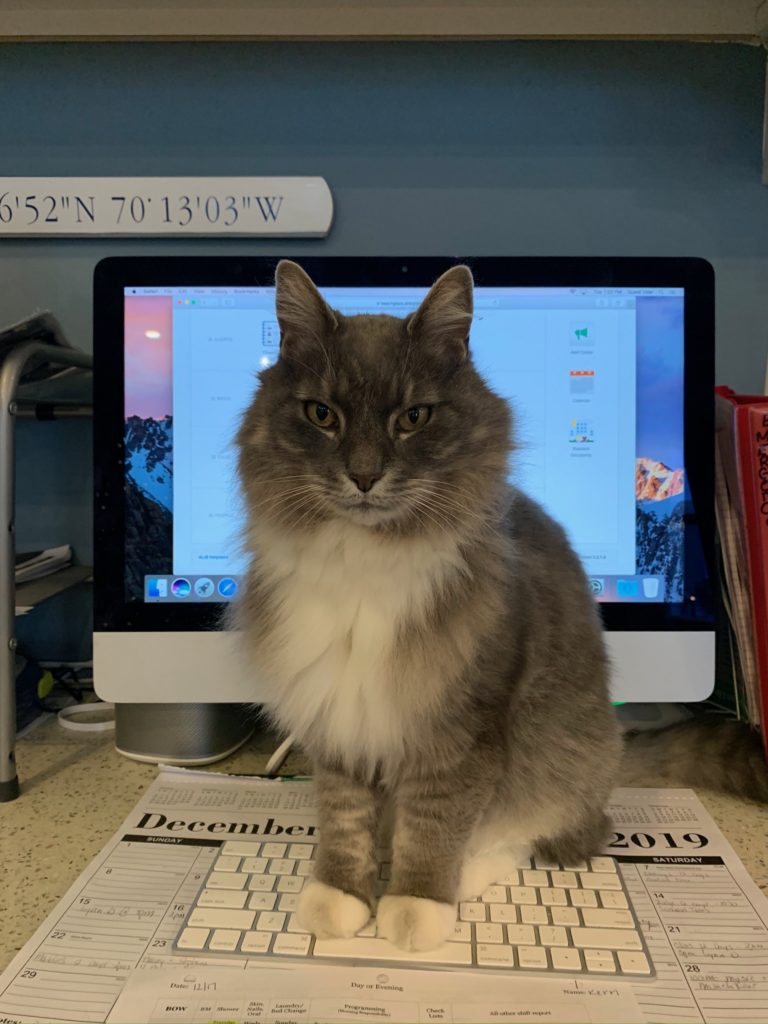
We’ve shared the story of the two pets who call The Mooring on Foreside home, but a little refresher is always worthwhile. Mick, our perpetually hungry yellow lab, is doing very well, taking housemates out on regular strolls, and cleaning up anything edible that finds its way to the floor. Mo, our beautiful, wonderful cat, is temporarily bunking with one of our care partners, where he’s always searching for new hiding/napping places.

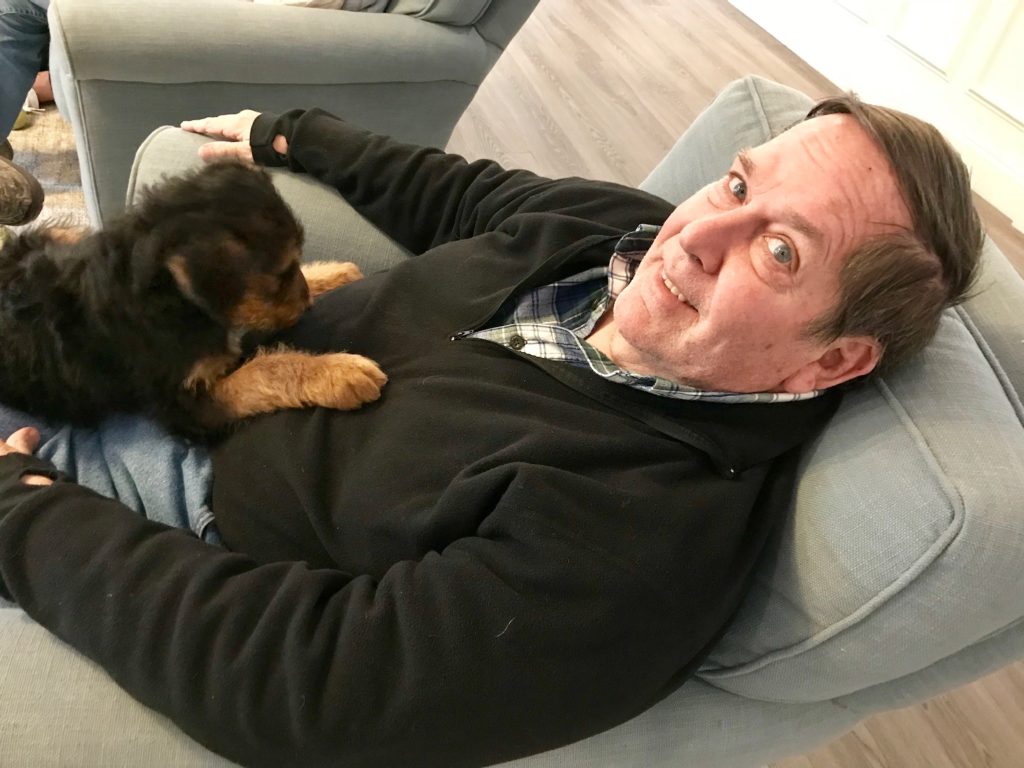
Maybe you already know about Mick and Mo. If you don’t, their story is worth a read. So today, we’re going to introduce our two newest four-legged housemates who now call The Mooring at The Downs home: Moose and Otter.
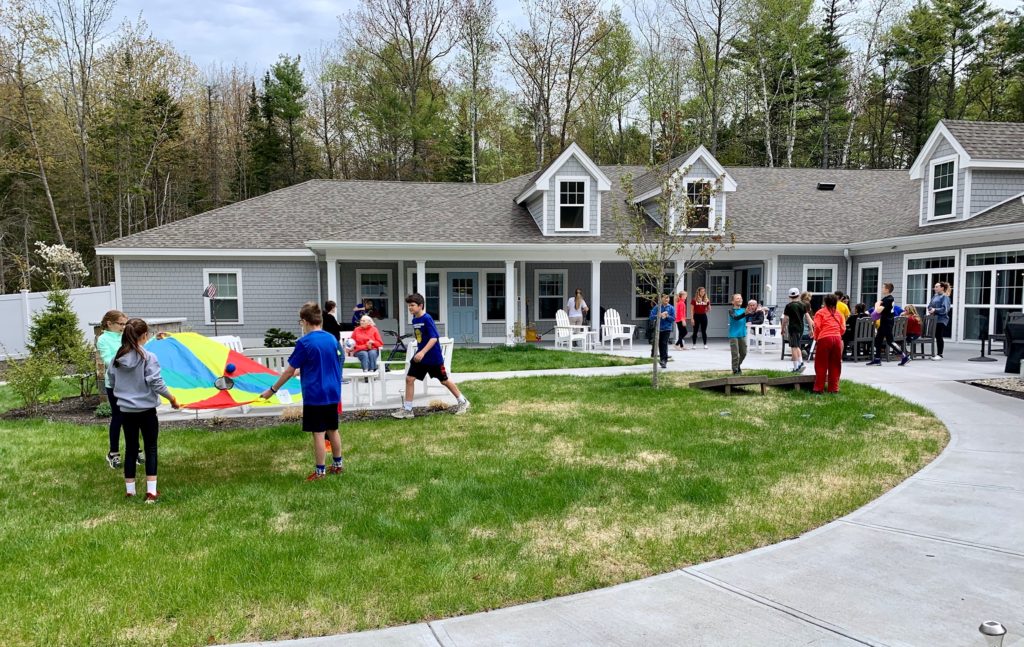
First, a bit of background. During the summer of 2020, we were thrilled to welcome our first housemates to The Mooring at The Downs. Located in Scarborough, The Downs brought The Mooring concept to a beautiful neighborhood setting. The design and philosophy are the same – and thus far, both housemates and care partners have settled in beautifully, making the place feel like home.

For the first couple of months, we focused on settling in. Then, when everything was neatly in place, we started our search for the perfect housedog. Given our success with Mick, we started our new search at adoptapet.com – and we knew we’d consult with our friends at Critter Cavalry, a Tennessee-based organization dedicated to placing canine and feline rescues of all ages in their forever homes. Their experience had proven critical in our early evaluation of Mick’s suitability for a memory care setting – and their guidance would once again prove indispensible.

Critter Cavalry to the rescue.

Our contact at Critter Cavalry, Candace Simpson Giles, has a keen understanding of the unique considerations related to pets in residential memory care settings. And as a devout animal lover, Candace learns everything there is to know about the rescued pets in her organization’s care. Throughout our efforts to make sure Mick’s temperament would be the perfect fit for a residential memory care environment, Candace provided clear advice to guide our evaluation. That advice proved invaluable – and Mick is living proof of her wisdom and commitment. 

When the time came to find a match for The Mooring at The Downs, Brittany – a Mooring staffer with loads of rescue dog experience – went to work. She started with a few simple rules.

First, our new dog needed to be a rescue. She recognized the need these animals have for forever homes, and she also understood that we needed an “experienced” dog – one with a calm, companionable, proven temperament.

Second, Brittany appreciated the peculiar, Mooring-specific advantages of a dog with separation anxiety. In ordinary settings, where people might come and go, these dogs struggle with – and overreact to – solitude. At The Mooring, where housedogs are never left alone, separation anxiety is a non-issue – resulting in the perfect match between a dog that needs constant companionship, and a population of housemates and care partners that’s on site, around the clock.

Third, Brittany knew The Downs would need a large dog. While small dogs make wonderful pets, their size means they can go unnoticed. When underfoot, they pose a real risk for housemates with compromised perception, balance, and mobility.

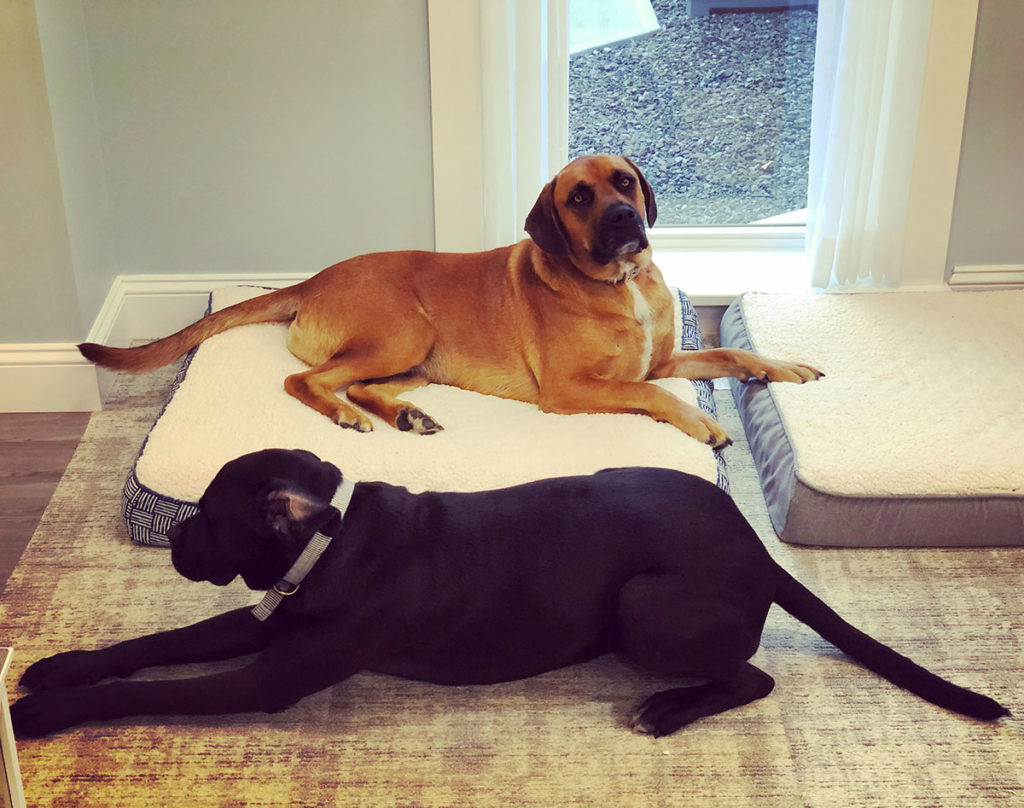
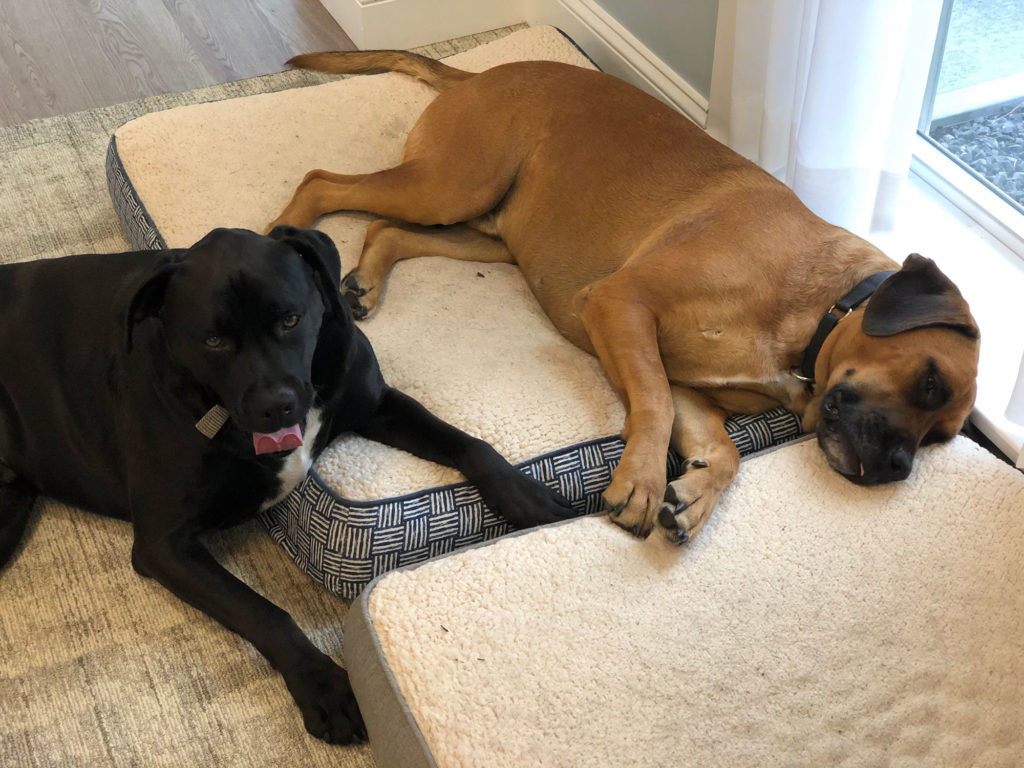
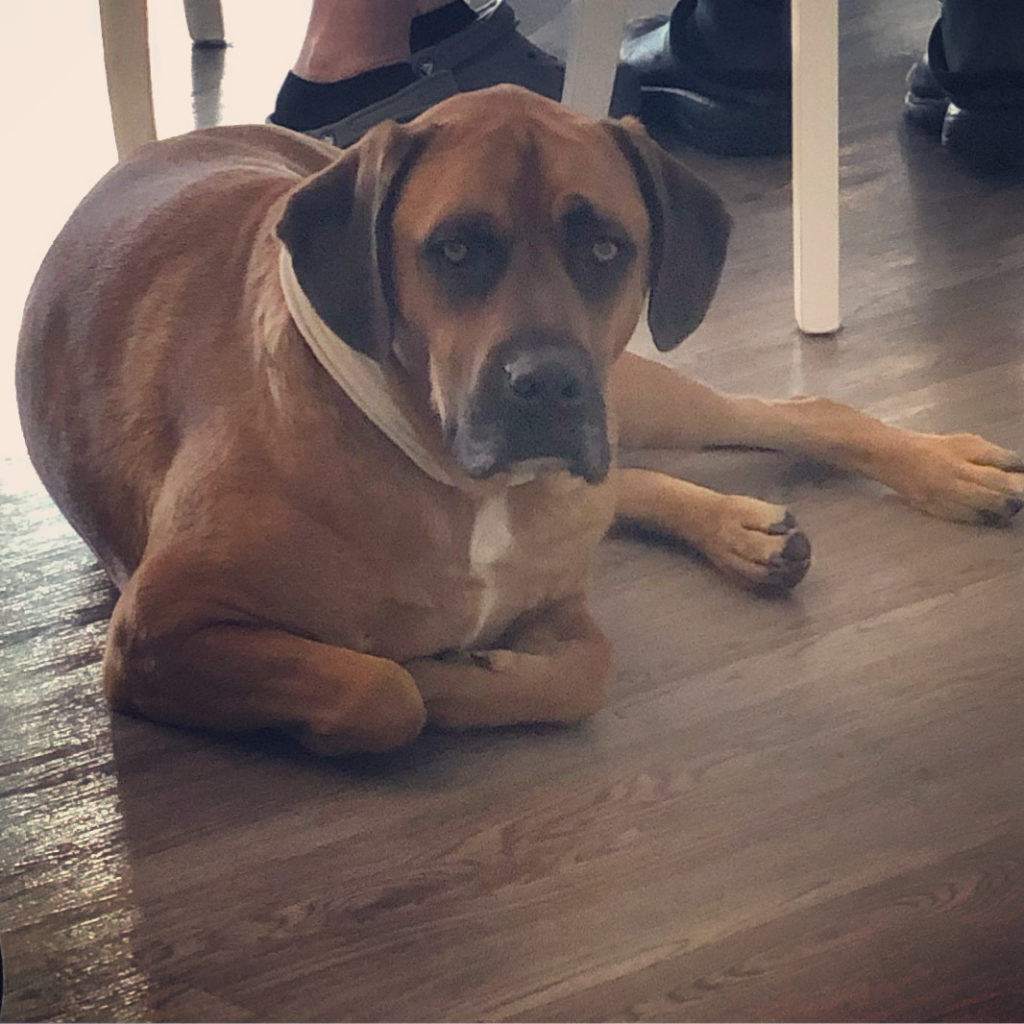
With those criteria in mind, Brittany began her search. In no time, she singled out a large, four-year-old dog named “Moose” with golden-brown fur, and as luck would have it, he was a Critter Cavalry rescue. While Moose’s mix was uncertain – the best guess is Mastiff and Labrador Retriever – Candace confirmed that his history checked all the boxes. He had been surrendered from a life as an outdoor dog, where he repeatedly broke past his invisible fence in search of company. Unfortunately, the neighbors were unsympathetic to his desire for human companionship.

Even in rescue, Moose didn’t like being alone, and he was willing to do anything necessary to remedy his isolation. One day, when his foster family left him indoors, they returned to find him outside – patiently awaiting their return on the roof of the house.

Moose – plus one.

There was, however, a wrinkle. Moose was bonded to a littermate (and escape partner) named Otter – a dark brindle-colored male dog with a handsome white blaze down his chest. Separation anxiety aside, Candace attested to their warm, ordinarily calm dispositions. They simply loved people, and hated being left alone.
Brittany pondered the opportunity, and discussed the situation at length with The Mooring team. The plan for a dog at The Downs didn’t anticipate a pair of dogs. But the right dogs? When opportunity knocks, it’s best not to lock the door.

So it was that Brittany, with the support of The Mooring team, started making plans to meet Moose and Otter. In normal times, the trip to Connecticut – where the dogs were located – would have involved some serious logistics. With the added challenge of the pandemic, those plans took on new complexity. Brittany persevered, and eventually headed south.

When Brittany arrived, she knew she had made the right decision. From the moment they met, Brittany, Moose, and Otter connected. And while she was instantly impressed with their calm, friendly demeanor, she was particularly struck by their emotional intelligence. Both Moose and Otter had an instinctive ability to sense their fit with each person they met, and to shape their behavior accordingly.
After spending time with the dogs and doing plenty of role-playing, the plan moved forward. Brittany loaded Moose and Otter into her car and headed for home. The ride home was so quiet she had to remind herself the dogs were on board. Once she reached home, the dogs bunked at her house for a multi-day period of transition and observation.

Home for good.

When Moose and Otter arrived for their first day at The Downs, they immediately went to work. After a quick tour of the home, and brief introductions to care partners and housemates, the pair was drawn to the bedside of a housemate in palliative care. For some time, the housemate had been restless. But when she met Moose and Otter, she responded immediately by relaxing – and asking to share her bed with one of the dogs.

Because of her connection – and consistent with our belief in honoring the reasonable wishes of our palliative care housemates – we complied. For hours, one of the dogs cuddled beside her, while the other remained at the bedside.
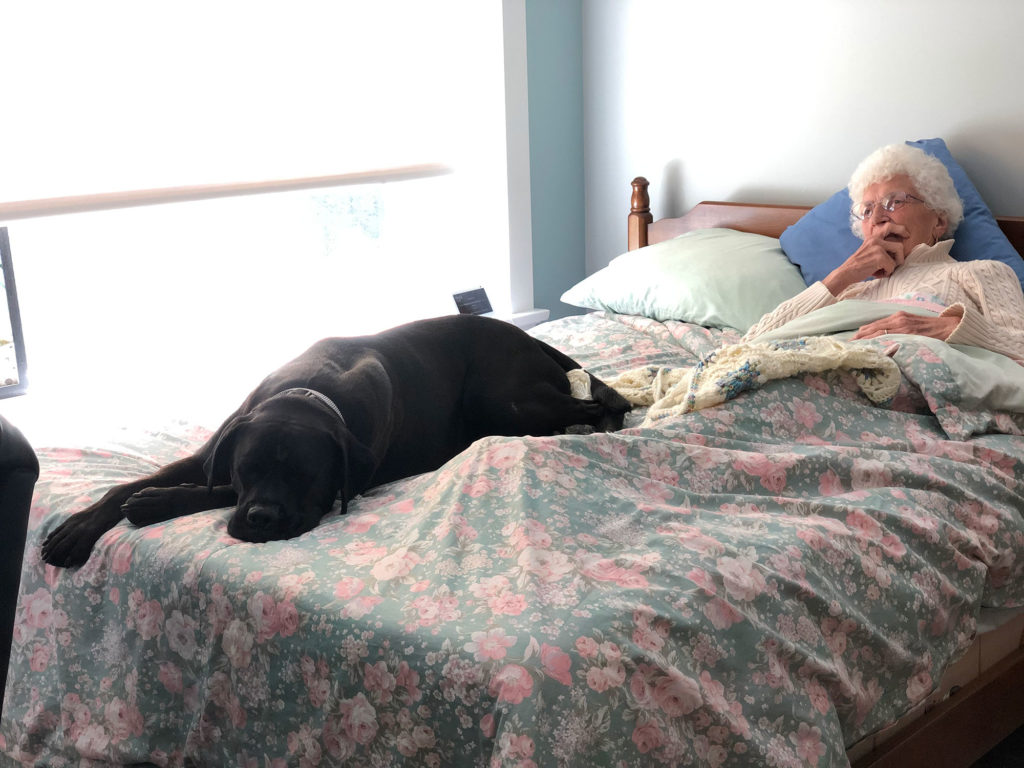
Over the course of the days that followed, Moose and Otter repeatedly demonstrated a keen understanding of their role. They formed unique relationships with each housemate, noticeably adjusting their behavior to suit the situation.

As time passed, their distinctive personalities were revealed. To this day, Otter is a pure people dog who revels in attention, while Moose is more independent, happy to receive affection – but just as satisfied to nap on his own. Not surprisingly, some housemates prefer Otter’s cuddles, while others appreciate Moose’s calm, quiet presence.

Today, Moose and Otter are indispensable members of The Downs’ care partner team. They still need occasional reminders that comfortable couches and chairs are for people only, but they consistently show up when and where they’re needed. While some people feel they’re lucky to have landed at The Downs, we’re inclined to feel that we’re the lucky ones.

Side note: why dogs and memory care go together.

Progressive memory decline is a topic few people ponder until there’s reason to ponder it. So when a loved one is diagnosed with dementia, there’s a lot to learn. One of the most interesting – even rewarding – topics to explore is the unusual connection that’s observed when people with dementia engage with domesticated animals.

Over the years at The Mooring and elsewhere, members of our care team have had plenty of opportunity to see pets and dementia patients interact. With very few exceptions, the connection is so immediate and natural that it seems instinctive, even magical.

 At The Mooring, our experienced care partners have a lot of tools and tactics at their disposal to connect with housemates. But those with dementia are not unlike the rest of us: sometimes they want to engage – and sometimes they don’t. In many of the latter instances, pets still have the ability to cut through the resistance – and find inroads people simply can’t.

It makes sense, really. Pets aren’t judgmental – they simply love us for who we are.  So during those times when a housemate won’t engage with a care partner, they’re still open to the entreaties of a determined dog or cat. In some cases, we’ve seen non-verbal housemates open up and speak clearly to an attention-seeking animal. In others, we’ve seen housemates with advanced dementia come to life, engaging in ordinary, everyday interactions not seen for months, even years. For whatever reason, paths long closed to more complex interpersonal communication processes reopen when a dog or cat enters the picture. In those cases, it’s almost as though dementia has released its grip.

At the risk of anthropomorphism (it’s a good word, and we couldn’t resist), many domesticated animals demonstrate something much like emotional intelligence. As the stories of Moose, Otter, and Mick demonstrate, our house canines have very individualized relationships with each of the people in their lives. Generally, they recognize that our housemates aren’t capable of energetic play – but that they’re great resources for cuddling and (particularly with Mick), snacks.

Because Moose and Otter are young and lively, they often engage in gentle, scheduled roughhousing with willing care partners. Each afternoon, following a day of gentle interactions with housemates at The Downs, both Moose and Otter welcome the opportunity to play tug and fetch with care partners. Once they’ve had the opportunity to work off their natural puppy energy and they make their way back into the home, they immediately resume their calm, gentle housemate ways.

Memory care gardening: a rich harvest of health, hope and happiness.

There’s a growing body of academic research that confirms what backyard gardeners already know: gardening is good for you. Given their propensity to produce fruits, vegetables and blossoms, it really comes as no surprise. From nutrition to soul-soothing beauty, gardens offer an incredible return on the investment of both time and money. 

But studies suggest that the most profound benefits of gardening may be those we can’t see or consume. Gardening, it turns out, is a terrific way to bolster both physical and mental wellbeing, with benefits that can include: 

  • Improved dexterity, strength and endurance. Raking, digging, and the perpetual war on weeds requires both energy and movement. While gardening may not leave you winded, it gets blood flowing, requires coordination, and keeps muscles and joints moving. 
  • Social engagement. While it can also be a solitary activity, shared garden plots encourage interaction, which can foster connection, encourage relationship growth, and reduce loneliness.
  • Enhanced self-esteem. Playing a role in the transformation of seed (or seedling) to maturity can reinforce feelings of greater self worth.
  • Reduced stress and improved mood. Gardening isn’t like work, and for most, it’s not competitive. The slow, methodical task of nurturing plants is more often regarded as calming. It’s common to leave the garden happier and more relaxed than when you arrived. 
  • Exposure to fresh air and sunlight. Sunlight naturally stimulates the body’s production of vitamin D, which has been shown to play an important role in regulating mood. And spending time in the warm sun and fresh air nearly always feels better than an extended stay indoors.

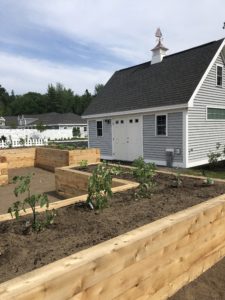
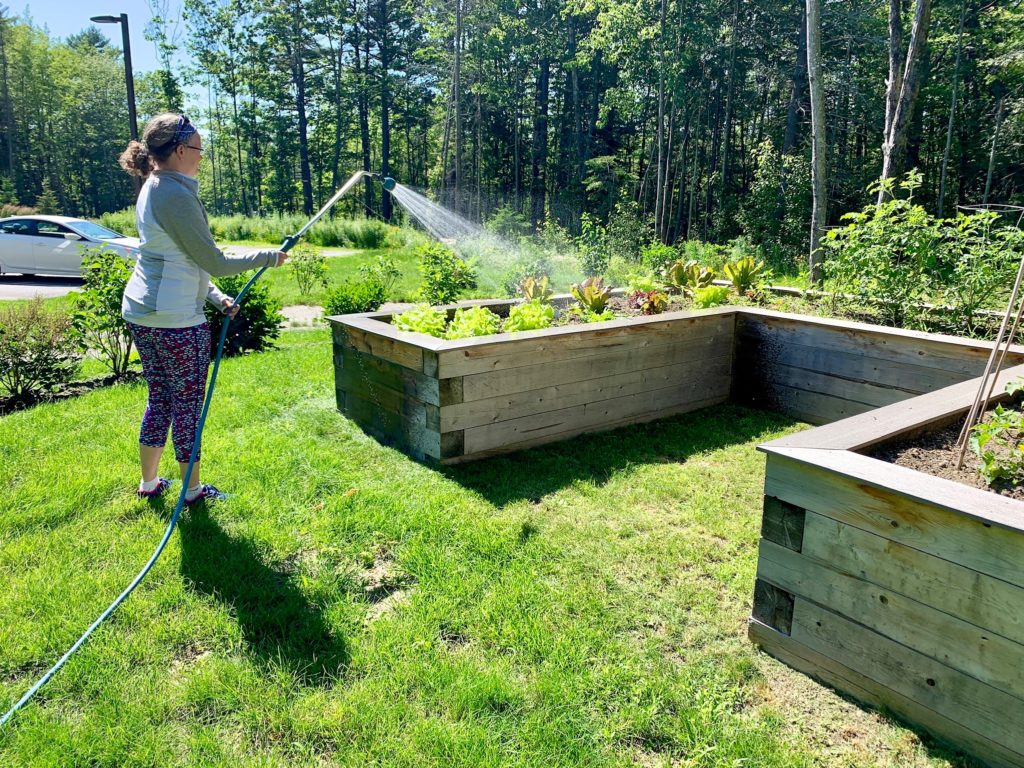
…And nowhere are those benefits more powerful than in a residential memory care setting. Whether housemates were avid gardeners, weekend dabblers, or just happy consumers of produce and beauty, The Mooring’s raised beds have demonstrated their value as a shared source of pride, motivation and enjoyment each and every season since their installation. 

For housemates with mild dementia, gardening provides a familiar outlet capable of boosting both self-esteem and morale. In many cases, our most avid and capable gardeners take joy in sharing what they know and love with their peers. Community, it seems, is one of gardening’s most durable gifts – and working together to nurture beauty and sustenance is a shared pastime that draws as much on instinct as it does on experience. 

Those instinctive properties are particularly evident in housemates with more advanced memory loss. Similar to activities like swimming and music, gardening seems to connect at the deepest levels. And for those unable to actively participate in the process of digging, planting, weeding and harvesting, bearing witness to agriculture in action carries its own satisfaction. Turns out the determined smiles of avid gardeners spread at the speed of weeds. 

During each growing season, we see tangible evidence of gardening’s positive impact. We also hear it in the words of our housemates. When asked about this season’s plans, Judy, our resident master gardener said, “I’d like to see roses. All kinds. Maybe daffodils. And we’ve planted lettuce, cucumbers and tomatoes.” In an acknowledgement of early season gardening’s most productive crop, Judy added, “So far, though, we’ve been doing a lot of weeding.” For Judy, gardening is clearly a matter of second nature – and a pastime that’s integral to her identity. 

Conversations like that confirm what science suggests about the value of gardening in a residential memory care setting. Even our anecdotal observations, while unscientific, demonstrate that time spent in the garden can: 

  • Improve cognitive function. Our commitment to creative recreational therapy is founded on our firm – and confirmed – belief that engagement improves everyday mental function, and delays decline. Gardening is a profoundly engaging activity, where each day brings changes that require different actions: digging, planting, watering, weeding, harvesting all involve analysis and calculated responses. Working minds work better.
  • Improve sleep. Physical activity + mental activity + fresh air = tired. Getting outside and dabbling in our raised beds captures and holds most housemates’ attention. After even a short shift in the garden, we see its calming power. And the good, wholesome effort gardening requires makes sleep come just a little bit easier. 
  • Offer a sense of accomplishment/meaning. The act of nurturing plants is cathartic – and the process of seeing seedlings transition to maturity is rewarding. When housemates play a role in seeing something wonderful come to fruition – pun intended – they feel vital and invested, and their self esteem often shows marked improvement. 
  • Provide the comfort of routine. For those with progressive memory loss, routine often acts as a trigger – with today’s activity bringing to mind what was done yesterday and the day before. Recognizing patterns is an inherently human trait, and it’s reassuring when, in the face of decline, we can lean on our past to provide context for today. 

In our efforts to leverage the familiar and encourage engagement, gardening checks all the important boxes. So, each spring, when the first crocuses find their way through winter’s melting snow, you’re sure to find us dreaming of greener times, scanning seed catalogs, plotting our summer crops, and anticipating our harvest. Working together, housemates and care partners will return to the familiar – and share the joy of helping nature take its course. 

Recreational therapy: finding passion – and building connection

For most of us, the subject of dementia is one that exists in the periphery of our minds – until it’s diagnosed in a friend or loved one. When we finally experience its impact, there’s a natural inclination to learn as much – and as quickly – as possible. Like so many challenging topics, dementia comes with a vocabulary all its own. The climb up the learning curve is littered with concepts we may comprehend, but we don’t fully comprehend. 

Take, for example, the phrase “Recreational Therapy.” In the residential memory care world, it’s a term that’s both familiar and important. Working with the words alone, the concept isn’t difficult to grasp: recreation is any activity we do for fun, and therapy is the process we undertake to identify and leverage our strengths – while working to resolve or mitigate our deficits. 

At the most basic level, the etymology has it right. But at its best, recreational therapy in a residential memory care facility is much more than an organized pursuit of entertaining activity. It’s an ongoing process, where skilled professionals work to truly know each individual under their care – while making a concerted effort to catalog and leverage the preferences, capabilities and nuances that can mean the difference between enjoying an occasional diversion – and making the most of every moment. 

Situational recreational therapy: individualized therapy for everyday life

For those new to the concept, it’s logical to think of recreational therapy as a range of activities. But in a memory care setting, some of the most effective forms of recreational therapy are deeply individual and deceptively subtle, with impacts that improve each housemate’s everyday life – while enhancing the residential experience for everyone. 

At The Mooring, that subtle form of situational recreational therapy begins the moment we meet a prospective housemate – and continues and evolves for as long as they remain in our care. One of the primary objectives of our intake process is to develop a clear sense of a new housemate. This process begins with a face-to-face interviews with the housemate and his or her family. During these meetings, we learn as much as we can about the housemate’s cognitive strengths and deficits, while gathering details about his or her history, preferences and aversions. If possible, we also reach out to close friends to better understand social habits, important experiences. The information we gather during this stage gives us a depth of information that jump-starts our acquaintance, ultimately enabling us to normalize everyday life, and to smooth the transition to a new setting.

We also establish a line of communication with the prospective housemate’s caregivers, including medical care providers and home care support team to better understand current diagnoses – and to bolster our ability to continue, build on and modify any strategies that have proven effective following his or her diagnosis. This information allows us to embrace efforts that have proven successful, and to avoid those that have proven ineffective.

Once a housemate transitions to The Mooring, our recreational therapy team engages in ongoing monitoring to gain a nuanced understanding of how different environments and stimuli affect his or her mood, appetite, and overall quality of life. We continually update each housemate’s files with what we learn, and share that knowledge with our team of care partners, who, as universal caregivers, are then able to leverage their knowledge to bolster each housemate’s sense that they’re safe, secure and surrounded by people who care. 

While our observation process is always underway, the knowledge we gain gives us a tactical toolkit to provide moment-to-moment support. When a care partner knows that a certain housemate often struggles during evenings, social situations or mealtimes, we’re able to avoid or mitigate agitation by changing environments or employing diversionary therapies. 

By way of example, some housemates experience “sundowning,” otherwise known as late-day confusion, where those with dementia experience confusion and agitation as day transitions to evening. For some housemates, the effects of sundowning are often reduced or even eliminated by the introduction of a set of headphones, an iPod, and a playlist of favorite songs. This simple intervention often serves as a calming respite that eases anxiety and breaks sundowning’s hold – allowing the housemate to relax and return to mealtime or other more peaceful evening activities. 

While that’s just one example of situational recreation therapy, countless others take place each and every day at The Mooring – and our recreational therapists are ever vigilant for new opportunities to improve each housemate’s everyday life. As a result of that everyday effort – augmented by frequent group-oriented recreational therapy opportunities – our housemates are able to live nearly every moment in the moment despite their dementia diagnoses. From our perspective, and certainly that of our recreational therapists, life is too precious to be endured – when it’s still possible for every moment to be lived, loved and embraced.

Group recreational therapy: something for everyone

Engagement is the archenemy of dementia. That’s one of the chief reasons why life at The Mooring is brimming with activity. From one day to the next, housemates have access to a variety of options to venture out into the community, to interact with others and to experience the world around them through both new and familiar pastimes. And while nearly every entry on our calendar provides the opportunity for recreation – and the therapeutic benefits it carries – many activities are purposefully included to serve specific therapeutic ends. The fact that they’re also fun? That’s just icing on the cake. Some of those activities include: 

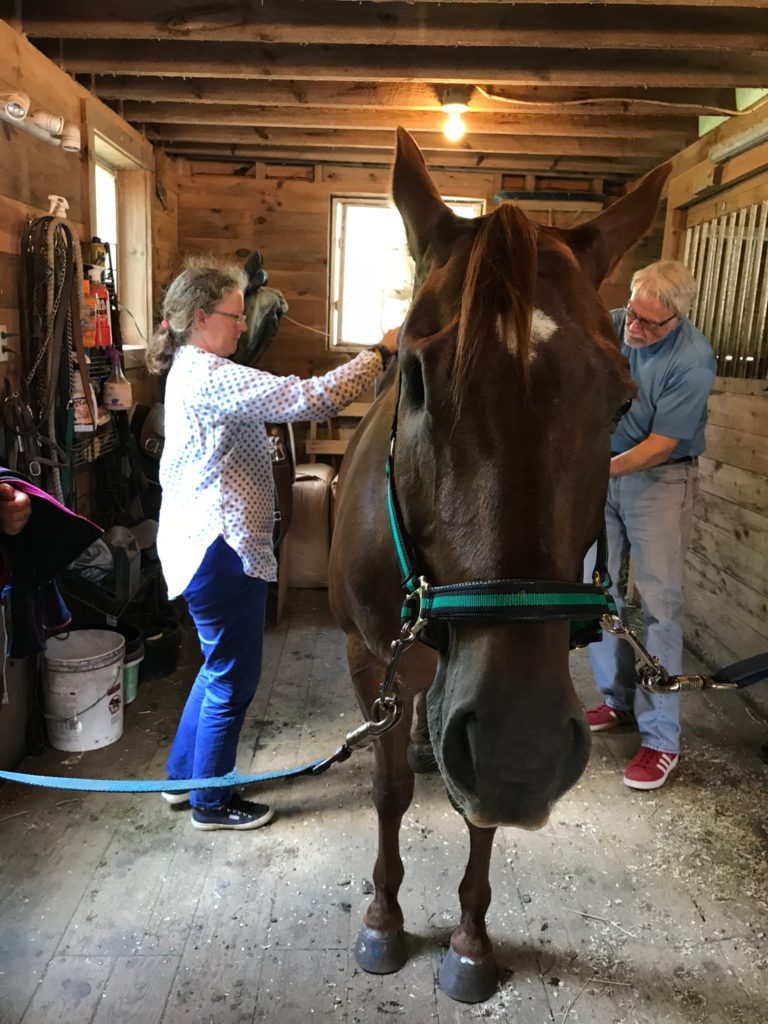
Horseback riding. Few activities have a more powerful impact than therapeutic horseback riding. Care partners routinely relate the transformative power of both riding on and caring for horses. These experiences go deep, stimulating cognitive responses that – temporarily – seem to almost neutralize many of dementia’s effects. 
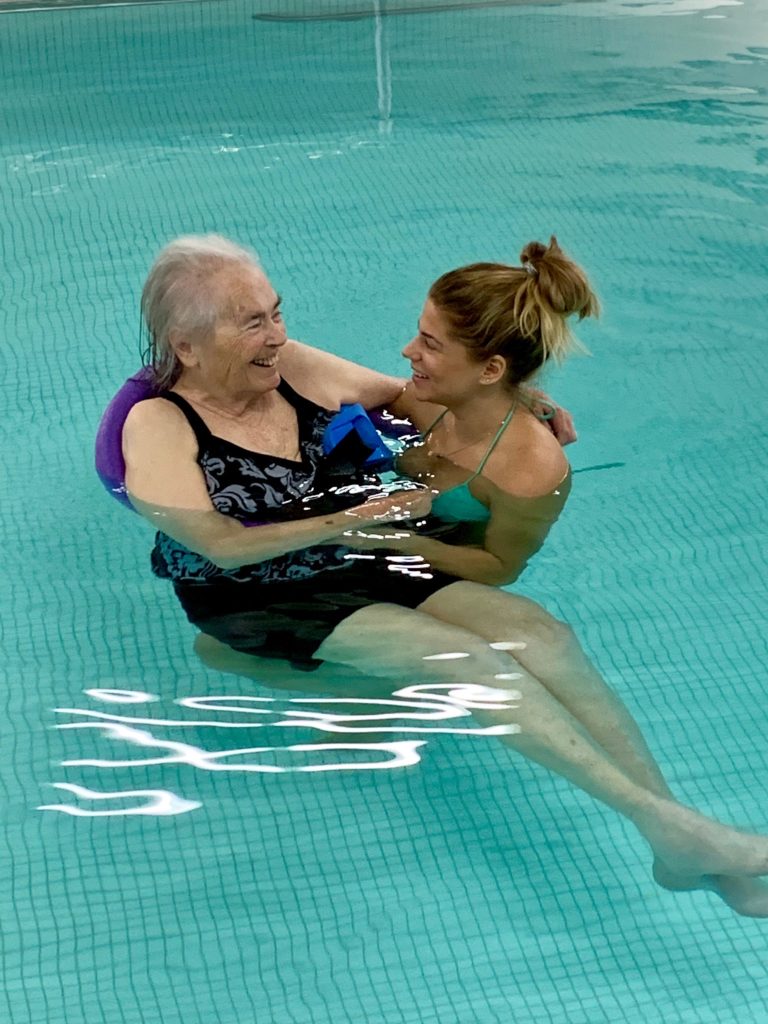
Swimming. A regular favorite of both housemates and care partners, swim therapy stimulates responses nearly as powerful as our equestrian therapy work. When water-loving housemates take to the water, they react naturally – often showing little hesitation or confusion. The effects of our swimming sessions often begin with anticipation, and continue as recollections are enthusiastically shared over the course of the ensuing hours and days. 
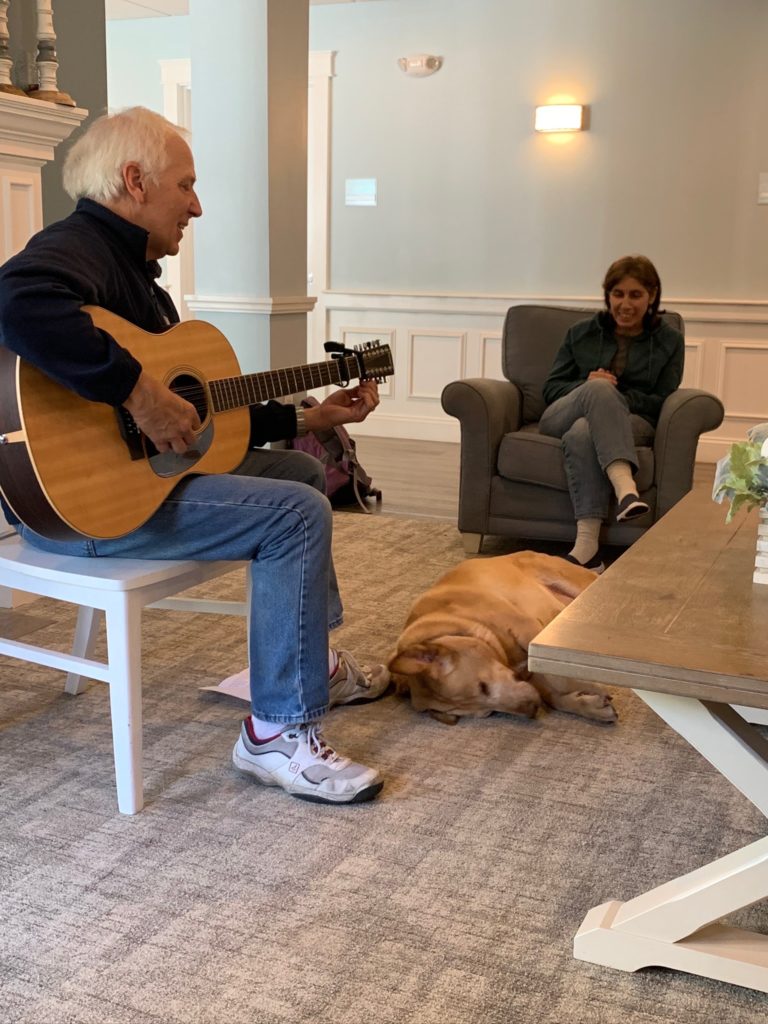
Music. Studies have long evaluated the impact of music on individuals with progressive memory loss. The findings have been universally positive, and our experience with music-based recreational therapy supports those conclusions. At The Mooring, each housemate has an iPod loaded with playlists of individualized music. As we grow familiar with each housemate’s response to everyday situations, we often employ those iPods with headphones to anticipate situations that may prove stressful. In almost every instance, housemates are able to transition calmly through those periods, enabling them to resume normal activity without experiencing agitation or confusion. 

On at least a weekly basis, we also invite local musicians to perform at The Mooring, allowing housemates to enjoy both music and social interaction in a familiar, comfortable setting. We also attend musical performances in the community on a regular basis. 

Periodically, we also host our popular “Music and Munchkins” program, where young students utilize our common areas to learn, hear and perform music both with and for housemates. This social activity leverages housemates’ universal fondness for children and music, and is among our most popular recreational therapy opportunities. 

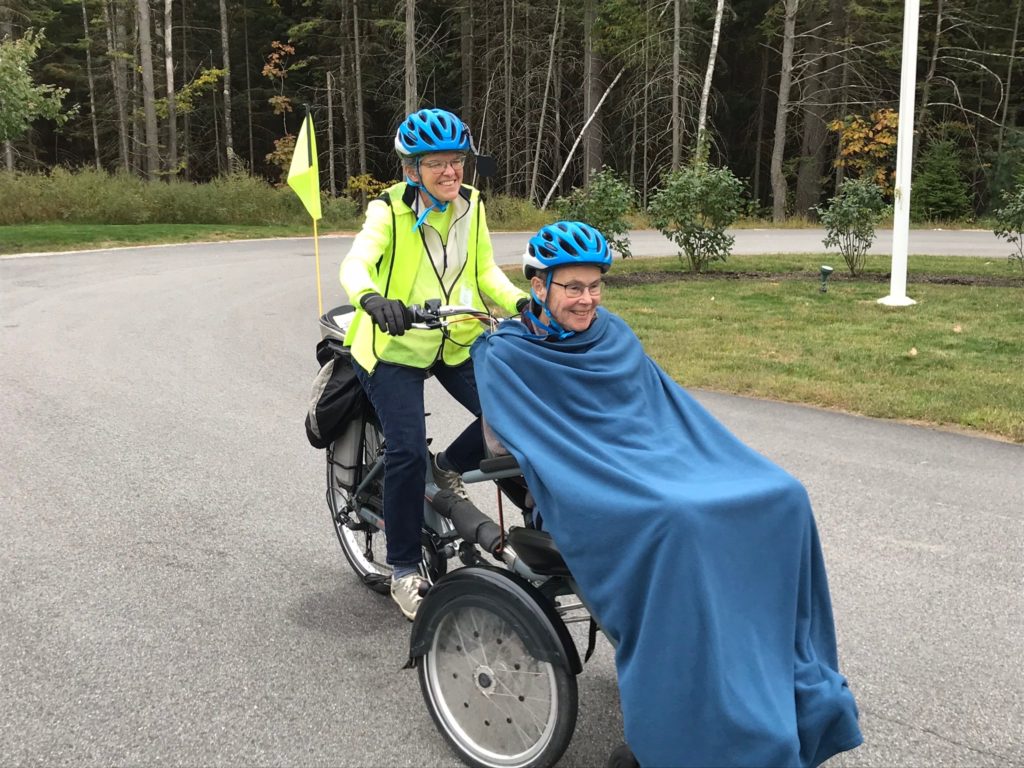
Walking group. As both a social and physical exercise activity, our walking group provides both scheduled and spontaneous opportunities for housemates to engage and move. Whether we’re doing indoor laps throughout the house, traversing our forest paths, or visiting a local park or refuge, our housemates brighten at the opportunity to interact, move and explore their surroundings. 
Massage therapy. To soothe aching joints and reduce stiffness, we schedule regular visits by local massage therapists. The physical contact and social engagement is welcomed by most housemates, and the results are both emotionally and physically beneficial. 
Gardening. When spring finds its way north, our resident gardeners turn their attention to the raised garden beds situated in our secure backyard. From planning and planting to cultivating and harvesting, housemates are the driving force behind our agricultural production. And whether housemates are longtime gardeners or neophyte agrarians, they engage deeply in the process of caring for and growing both flowers and vegetables. And at harvest time, they also experience the deep satisfaction of enjoying the fruits (and vegetables) of their labor.  

While this list is by no means comprehensive, it provides a sampling of the types of regular recreational therapy opportunities either employed – or considered – in our efforts to help housemates to move, interact, and experience the joys of engaging pastimes. While no single activity addresses the passions of every housemate, the evolving, growing roster of activities includes something for everyone, and consistently demonstrates their value as tools in mitigating progressive dementia’s adverse impacts. 

The Power of Pets

As anyone who’s had pets in the home can attest, they make life better. Puppies and kittens pretty much sell themselves: they’re cute, they’re cuddly, and they do a wonderful job of taking our minds off the trials and tribulations of everyday life. As they evolve into fully-grown dogs and cats, they become an indispensable part of the fabric of our lives, and in most cases, they assume family member status. For those of us who’ve had the experience, it’s hard to imagine life without them. 

When we’re faced with the challenge of progressive memory loss, the importance of pets doesn’t diminish. Unfortunately, for those living at home with limited support, the task of caring for a beloved pet becomes increasingly difficult as memory fades. But in a residential setting, pets can still be a rich, rewarding part of everyday life. 

At The Mooring, that’s exactly what Mick the dog and Mo the cat are. And since we’re talking about them, we should probably do some introductions – so here are their stories. 

Mick. 

Mick has been part of The Mooring family from the beginning. We met him as a dashing 5-year-old yellow lab mix who needed us as much as we needed him. Mick was a stray who was rescued by a soldier, and then bunked with his Mom while he was away at basic training. When the soldier’s career meant Mick couldn’t follow him to the base, he was put up for adoption – and the base’s loss became our win. After his Grandma brought him to local nursing homes to make sure he was comfortable with mobility aids, she packed his bags and sent him to us in Maine, where he became The Mooring’s very first resident – ready to welcome our first housemate on move-in day.  

From the moment Mick joined us, he made himself at home. He made friends. He scanned the floor for snacks. He found lots of great places to nap. He joined us on field trips, usually taking up two seats in case he absolutely needs another nap. And he lived up to his reputation as everyone’s best friend. 

But being The Mooring’s house dog wasn’t without its perils. During his first two years at The Mooring, Mick’s particular genius at foraging for food outpaced his not-very-arduous exercise regimen. To put it politely, his appetite quickly tested the limits of his formerly-loose fur. So we sent Mick to boot camp. 

For thirty days, Mick was in training. He adhered to a strict diet. He exercised regularly, presumably doing the dog equivalent of push-ups, planks and spinning with other reformed quadrupeds. He spent time napping on the therapist’s couch. And then, after the ordeal was through, Mick returned to us, weighing precisely what he did when he left. 

Mo.

Like any self-respecting cat, Mo doesn’t just live at The Mooring: he’s in charge. Like Mick, Mo came into our life when his original person was no longer able to provide consistent care. As a result, Mo arrived fully formed – with a keen sense of how to excel in his role as head housecat. 

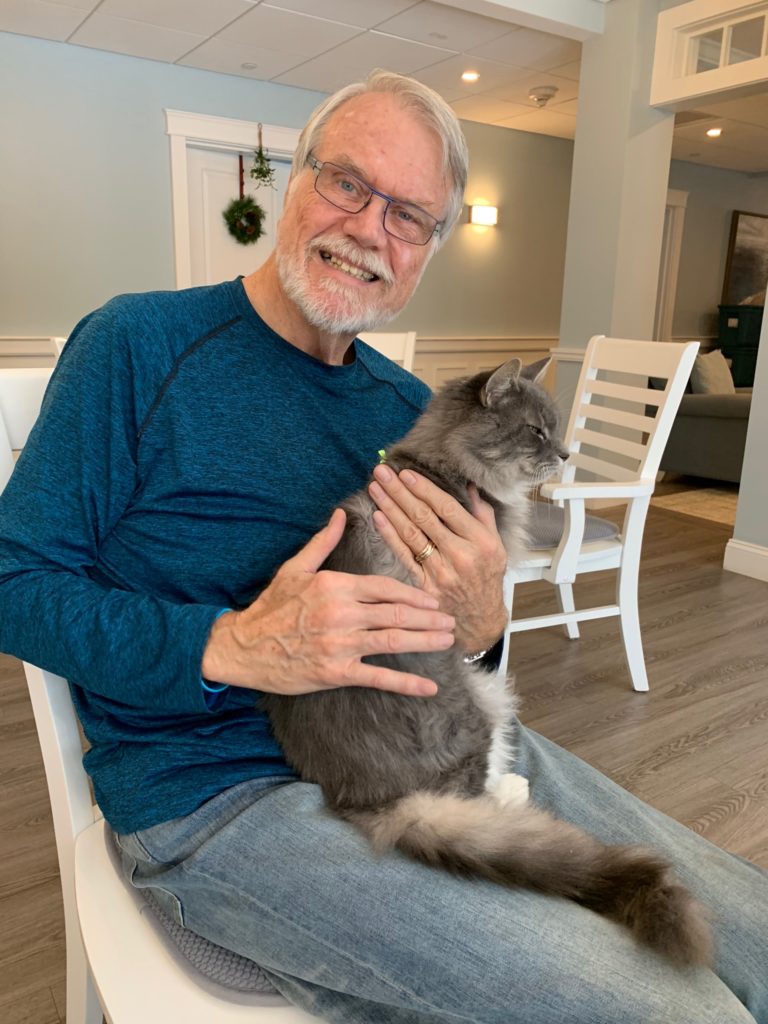
From the day Mo arrived, he fit. A people cat, Mo does exactly as he pleases, moving stealthily throughout the house. He’s universally loved by housemates and care partners alike, but like any self-respecting feline, he also knows how to disappear. When he’s tired of, well, being awake, he often shapeshifts his way into a bag, a box or onto the top of a warm computer for a nap. But even when he’s asleep, he’s aware. Whatever happens at The Mooring is his business. 

Why pets matter. 

Now that you’ve met The Mooring’s pet population, let’s consider the importance of their everyday roles. In a residential memory care setting, pets bring happiness, calm and a sense of familiarity to housemates navigating the challenges of memory loss. Those benefits have a deep impact on each housemate’s sense of wellbeing, and are borne of pets’ unique ability to provide: 

  • Companionship. Cats and dogs have a unique ability to connect – and that openness is contagious. No matter their motivation, be it food, physical contact or curiosity, people-oriented pets form connections that aren’t dependent on conversation or mood. When a housemate sees a cat or dog, the instinct to engage for a snuggle or a pet is automatic. That form of unspoken interaction helps housemates to enjoy judgment-free love and companionship – on demand. And from a pet’s perspective, the affection of a friendly human is almost always welcome. 
  • Purpose. Cats put on a good show of independence, but pets are ultimately reliant on humans for survival. People with dementia often retain that awareness, and they embrace their role as caregivers for household pets. At The Mooring, that responsibility manifests in the form of both meals and – enter Mick – snacks. Lots of snacks. Feeling a sense of responsibility for another living creature adds meaning to our housemates’ everyday lives. 
  • Physical activity. Pets, and dogs in particular, require regular exercise. Housemates often accompany Mick on daily walks around the grounds of The Mooring. The emotional and physical benefits of attending to a pet’s needs add a touch of welcome routine to our housemates’ lives. 
  • Stress relief. Cuddling with a loving pet is calming, and it feels good all around. 

It’s fair to say that the sum of Mick’s and Mo’s roles at The Mooring add up to much more than the sum of their parts. Yes, they provide companionship, purpose, physical activity and stress relief. They ease the stresses of the unfamiliar. They offer judgment-free respite from confusion. The bring laughter, they listen and they need us. But more than anything else, they make The Mooring feel like home. 

It’s beginning to look a lot like…

Around here, we don’t really need much of an excuse to celebrate. But when Halloween arrives, we jump onto the holiday fast track, and embrace every opportunity we can to enjoy the season. Hardly a day goes by without a party, road trip, event or meal that brings us all together – and gives us an opportunity to share in – and express – our gratitude for all the good in our lives.

Over the coming weeks, housemates will have the opportunity to take part in as many Mooring holiday traditions as they choose. We do a lot together, and our care partners’ ability to cheerfully, professionally and efficiently transition housemates from one activity or location to another is nothing short of incredible. in the coming days, they’ll be overseeing the following holiday celebrations – and many more that either didn’t make this list, or haven’t yet found a home on the calendar:

  • Twelve Days of Holiday. This uniquely Mooring celebration is a biggie, and one that’s earned its place as an annual favorite. Each year, during the weeks that follow Thanksgiving, we choose a day for each of our housemates to relive and share his or her favorite holiday tradition. In past years, housemates have curated their favorite menus, sung their favorite carols, shared gifts, and much more. And for each of those twelve days, we celebrate each other together – breathing new life into each housemate’s longstanding traditions.
  • Thankful Tree. Each holiday season, we invite our housemates to open up in real, raw conversations – and we ask them to tell us what makes them feel grateful. It’s a wonderfully rewarding endeavor that helps us all to connect. We capture those recollections of gratitude on paper, and add them to our “Thankful Tree,” where housemates, care partners and guests can read up – and revel in shared magic.
  • Holiday Drive. Every year, we look for a way to share our good fortune with the less fortunate in our community. Often, like this year, those efforts are spearheaded by housemates. Our plans for this year are still taking shape, but our housemates are scheming to connect with local seniors who are confined to their homes during the holidays to share companionship, cheer, support and essentials.
  • Casserole Party. Essentially a holiday potluck extravaganza, this annual event brings friends and family to The Mooring to share their favorite holiday recipes – and those of our housemates and care partners.
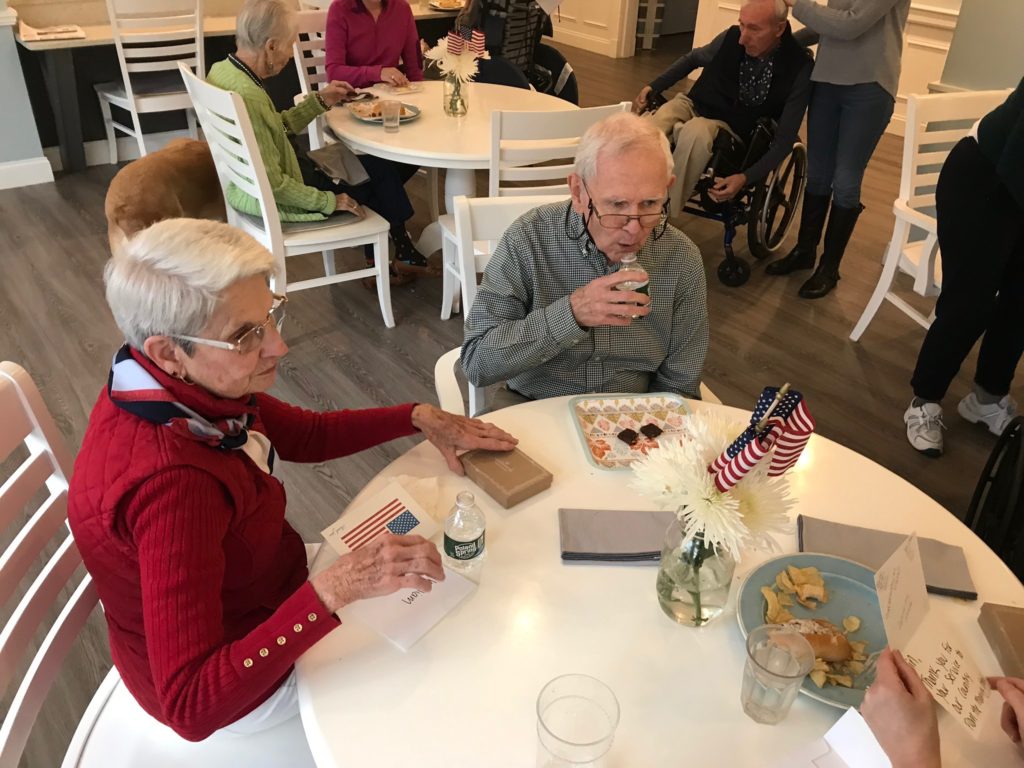
  • Veteran’s Day Luncheon. This annual gathering allows us to thank the veterans among us, including housemates and their families, and care partners – and to acknowledge their selfless contributions to our safety and wellbeing. Our luncheon culminates with a brief ceremony, and includes a commemorative card and American flag ornament to thank each and every veteran in attendance for his or her service.
  • Thanksgiving Day. There are some holidays we like so well we celebrate them more than once. Thanksgiving is on that list. Each year, our first Thanksgiving celebration comes early, bringing housemates, families, friends and care partners together for a feast worthy of, well, Thanksgiving. Then, on Thanksgiving day, while many housemates are taking part in offsite family traditions, we host our second Thanksgiving feast – with all the trimmings, the shared preparations, the aromas and the satisfied smiles that make the day special.
  • Portland Tree Lighting Ceremony. Weather permitting, we find there’s nothing like a big Christmas tree lighting ceremony to get everyone in the holiday mood. And because this is The Mooring, there’s usually food involved.
  • Community Christmas Party. This year, our Mooring community Christmas Party will involve holiday pajamas, waffles and a marathon of our housemates’ favorite classic holiday movies.

…And that’s just scratching the surface. Our care partner team operates in perpetual planning mode, adding to and adjusting the calendar as new opportunities arise and priorities shift. We also take care to ensure that everything we do can include everyone who wants to be involved. Sometimes, that might mean modified transportation, a special menu, or an extra hand or two to make sure we’re celebrating like the home and the community we are.

In addition to the activities we plan, our housemates’ personal schedules often pull them to events with family and friends – ranging from their grandchildren’s holiday concerts and plays to parties and traditional get-togethers.

Suffice to say, dementia doesn’t deprive our housemates from their love of connection, celebration, and, well, love. And that passion just happens to dovetail with our own. So keep your eyes open. There’s a good chance you’ll see us making the rounds this holiday season, dashing through the snow, and making spirits bright.

Happy Holidays!

Home cooking for our housemates: Dessert First.

We live in a golden age of information. Science moves at the speed of light, and technology exposes us to a seemingly infinite stream of new knowledge on nearly every topic. And nowhere is that knowledge more abundant than in the area of nutrition. 

On one hand, it’s exciting. Logic suggests that the more we know, the better. But the more we learn, the more we understand that the ideas we once held as absolute truth simply aren’t. For decades, many nutritionists embraced and propagated the fundamentals of the USDA Food Pyramid, which, when introduced in 1992,  touted the benefits of a diet heavy in carbohydrates – and light in fats. Over time, new studies suggested that healthy diet required higher proportions of protein and healthy fats. The impact of this new knowledge spurred an explosion of new diets, with celebrity authors touting regimens that effectively turned the Food Pyramid upside down. 

Today, it’s clear that new studies outpace the ability of most consumers to successfully distinguish hype from facts. As a result, many people move from one new diet regimen to another, seeking a nutritional balance that fits the practical demands of everyday life, ensures a healthy weight, and provides the energy necessary to maintain a desired lifestyle. 

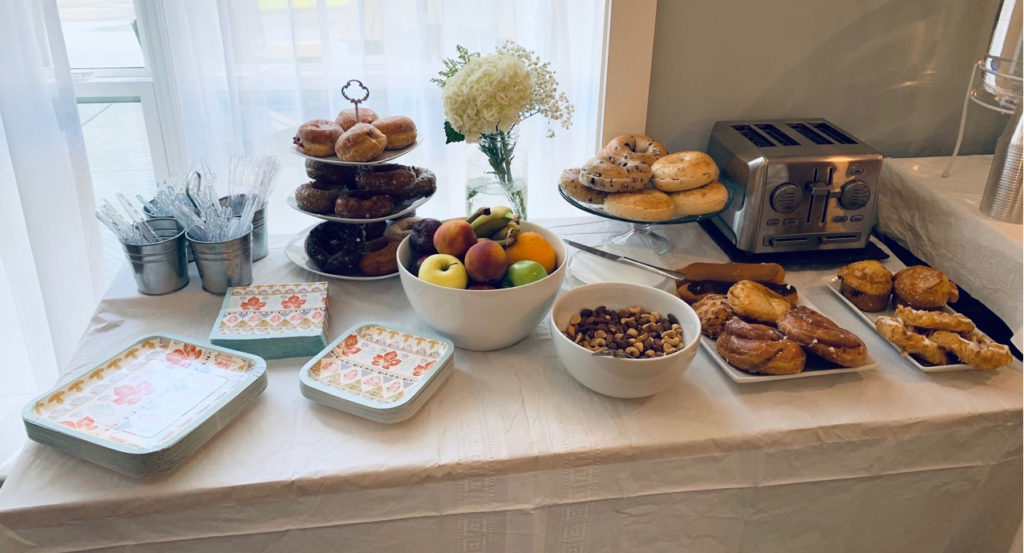
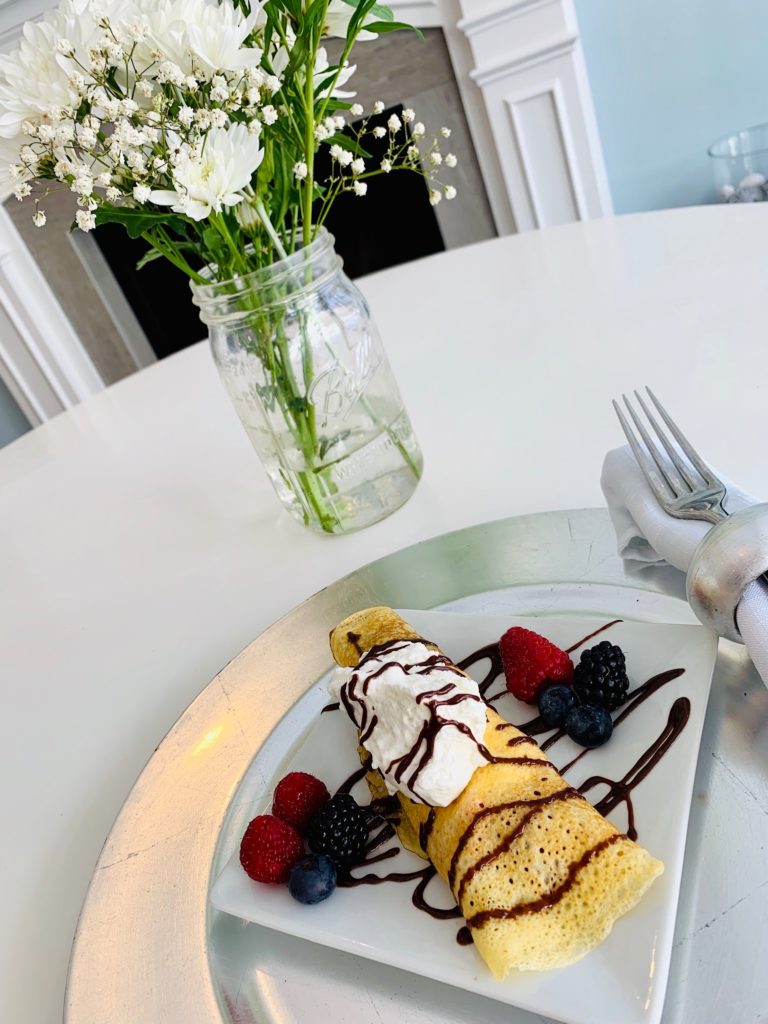
At The Mooring, we’ve arrived at a simpler approach to nutrition we call “Dessert First.” On its face, the name might seem counterintuitive. Dessert, after all, is the antithesis of the USDA’s original food pyramid, drawing to mind foods that are full of fat, sugar and processed carbohydrates. But Dessert First doesn’t mean we eat nothing but cake and cookies. It means we provide authentic home cooked foods to offer nutritionally balanced dining options that housemates love, ensuring they’ll eat well, regularly, and enthusiastically. 

To understand the logic of Dessert First, home-cooked dining, it’s worthwhile to consider a few important facts:

  1. Dessert First doesn’t mean dessert only. Have faith: we’d never advocate a diet that substitutes sheer decadence for good health. But we do work hard to learn the dining preferences of each and every housemate – and we provide healthy, responsible access to the from-scratch, home-cooked foods they love. 
  2. Dementia can interfere with appetite and the physical ability to eat. Appetites tend to change in those with dementia – and those changes impact different people in different ways. Some lose their appetite, which can lead to rapid weight loss. Others develop cravings for sugary foods, increasing the risk of weight gain and diabetes. Still others experience a diminished sense of taste, which can decrease appetite, or increase desire for more intense flavors. And as some forms of dementia advance, muscular degeneration can make the very act of eating difficult. At The Mooring, our talented culinary staff pays close attention to these ongoing appetite and physical evolutions, and we create customized menus that balance health, flavor and appeal. 



  3. We don’t rely on nutritional shakes in lieu of real food. Faced with changing appetites, many memory care facilities supplement real food with nutritional shakes. To be clear, there are instances that call for extreme measures to meet nutritional needs. But at The Mooring, we’re strong believers in the physical and emotional benefits of meeting those needs with regular meals of healthy, delicious food. Thus far, we’ve been able to meet that objective with all of our housemates, all of the time.  
  4. Dining can be a source of connection – and joy. Like at home, meals at The Mooring provide time to connect, to interact, and to share the pleasure of delicious, thoughtfully prepared food. Because we appreciate the individual preferences of each housemate, we also support those occasions that call for a quiet, reflective meal apart from other diners. 
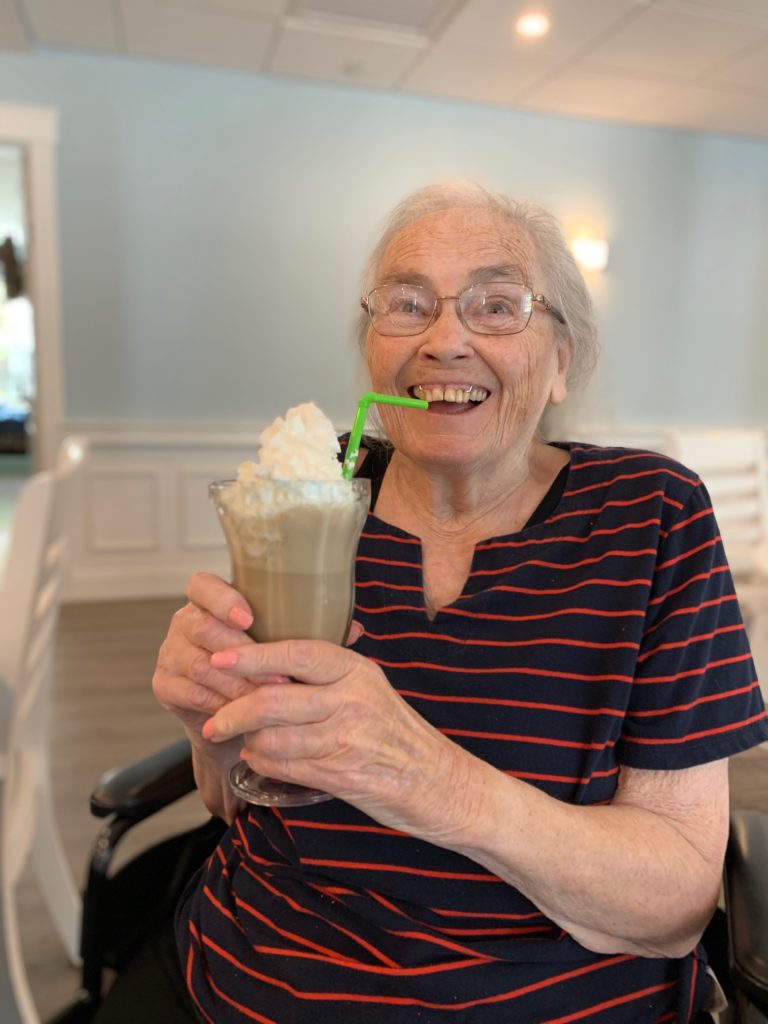
  5. Food is love. One look at a typical Mooring meal speaks volumes: our chef and care partners put immense care and love into the food they prepare. And when housemates see and sample their choices, they feel it. Nothing is more satisfying than witnessing the contentment and satisfaction of a housemate as he or she savors a lovingly prepared meal. 

Make no mistake: we’re committed to good nutrition. It’s vital to the health and wellbeing of our housemates. But because made-from-scratch, home-cooked food is one of life’s most reliable pleasures, we focus on preparing meals that connect on a nutritional and emotional level. 

Consider the trappings of a thoughtfully prepared home-cooked meal, or an evening out at a favorite restaurant: the anticipation of sampling from a range of equally enticing options. The pleasure of viewing beautifully presented food before taking the first bite. The rush of flavors. The satisfying afterglow of a full stomach and a full heart. 

They’re sensations we strive for with every meal. Judging from the appetites and reactions of our housemates, we achieve them. And that’s what Dessert First is all about.  

Living with purpose: the story of Stephan Putnam

Like every housemate at The Mooring, Stephan Putnam came to us with a story of a life well lived. Steve, who was first diagnosed with Parkinson’s Disease more than 15 years ago, was one of the first to call The Mooring home. Together with his partner, Mary Lou, Steve acknowledged that the disease’s impact on short-term memory was making independent life increasingly challenging. So he approached his move to The Mooring like he had approached his entire life: with focus, curiosity, and a commitment to making the most out of every moment yet to come.

By Steve’s own admission, adjusting to life at The Mooring took time. “It was hard, at first, to accept that this was where I should be,” said Steve. “Over time, I’ve grown more and more comfortable here by staying engaged. After my diagnosis, I learned that the best way to slow Parkinson’s progress was exercise, so I continued to live an active life – and I still do.”

It’s a commitment that’s readily apparent. Steve, who measures well over six feet tall, says he’s lost 40 pounds since he arrived, relying on careful eating and regular exercise to stay in shape. Even today, it’s clear that Steve has never been comfortable with the notion of sitting still. 

A teacher.

Throughout his lifetime, Steve followed his passions. A lover of language and literature, he earned his Bachelors, Masters and PhD in English, gradually inhabiting his calling as a teacher. In the process of earning his degrees, Steve worked for the United States Air Force, where he was able to combine his commitment to service with his love for teaching. Both independently and as a civilian Air Force contractor, Steve taught on the college level at Old Dominion University, the University of North Carolina, Eastern Washington University’s Tokyo satellite program, and the University of New Hampshire. 

During the course of his studies and his early teaching career, Steve joined NTL Institute (National Training Labs). With NTL, Steve led “labs” for large corporations, including Boeing and American Airlines to help leaders learn how to give meaningful feedback and encourage staff openness and self-disclosure. Steve continued his work with NTL for 43 years, and integrated their methods in classrooms throughout his career. 

In 1980, Steve brought his young family to Maine, where he joined the English department faculty at Yarmouth High School. He was motivated in part by a desire to teach his own children – Matthew and Jay – as they pursued their primary and secondary education through the Yarmouth school system. During his 20-year tenure at Yarmouth, Steve served as English department head. In addition, he founded the still-thriving Yarmouth Playmakers theater program, which continues to earn accolades as one of the state’s finest.

A family man.

While academia and teaching defined much of his life, Steve’s greatest passion was – and still is – his family. In addition to his boys, who are both happily married with children of their own, Steve’s family grew when he met his life partner, Mary Lou, in 1993. He welcomed the opportunity to share life with her children, Dana and Josh, who, with their spouses and children, continue to enrich each and every day. 

Over the years, Steve found satisfaction in athletics. An avid swimmer, runner and basketball player when he was young, a hip replacement at age 55 encouraged him to try SCUBA, which led to years of adventures and an endless archive of wonderful stories. 

With Mary Lou, Steve also decided to become a trained hospice volunteer in 2005 and found the next 5 years rewarding as he visited with people and families in their homes and care facilities.  

…and an author. 

Throughout the course of his active life, Steve nurtured a quieter, more personal passion. Like any self-respecting English major, he was, at his core, a writer. As his life progressed, he tinkered with fiction, ultimately finding more time as career and family obligations lightened. By the time he joined us at The Mooring, he had completed a fiction manuscript – one he intended to publish. 

For care partners at The Mooring, nothing is more satisfying than learning about the passions of our housemates. So when we discovered there was an author in our midst – with publishing aspirations – we saw opportunity. Over the course of several weeks, Steve joined forces with Mooring staff members to research publishing options, and identified the necessary resources to bring his dream to life. 

Steve’s book – When We Were Young Together– borrows elements of a high school yearbook to share a series of “lost” senior essays drafted by members of the fictional Rupert P. Jackson High School class of 1961. The class members come to life through Steve’s imagination, each with a distinct personality, background and anecdotes of formative experiences and influences . By the end of the novel, we have a clear sense of the characters, their experiences, and the school – all drawing on universalities that are thoroughly credible, satisfying and compelling to read. 

Once finalized, the manuscript was published, and plans were made for a publishing party at The Mooring – attended by Steve, his family and friends, his eleven housemates and the entire Mooring team. Following the party, Steve took his book on tour, sharing his story in a series of readings and Q&A sessions throughout southern Maine. 

By Steve’s own admission, his experience at The Mooring has been unique, but it exemplifies our commitment to recognizing and celebrating the individuality of each housemate we come to know. And while Steve was able to realize his dream of publication, the benefits of his work extended far and wide. For our housemates, sharing Steve’s success provided an opportunity to participate in a friend’s excitement. For our team, the project was a chance to bring joy to the life of a friend. And for Steve’s family and friends, publication of When We Were Young Togetherwas a moment to witness his intellect, his dedication and his passion, creating memories that would last forever. 

Care Partners: the family we choose

In an industry where skilled, experienced care partners are in high demand, staff retention is a vital and ongoing consideration. At The Mooring, our standards are especially high, due in part to our commitment to the concept of universal caregiving. Under this concept, each care partner is responsible for all aspects of housemate care, regardless of job title. As universal caregivers, our care partners are prepared to fulfill any Mooring role on an as-needed basis, elevating their sense of responsibility for each housemate’s care.

In return for our elevated expectations, we embrace each care partner as a vital member of The Mooring community. Just as we work to identify the individual passions of our housemates, we seek opportunities to enhance the lives of our care partners. That support can take nearly any form, and often does. Whether we’re providing guidance and support for a first-time parent, academic support for the pursuit of an advanced degree or credential, or an opportunity for a multi-talented staff member who loves to ply her cosmetology skills on behalf of our housemates, we welcome the opportunity to fuel their passions.

Our care model also appeals to care partners dedicated to a higher level of service. With relationships approaching those of extended family members, we encourage close relationships between care partners and housemates. The benefits of these relationships flow in both directions. For care partners, work at The Mooring is both challenging and deeply fulfilling. And for housemates, long-term care partners provide continuity and stability at a time when familiarity reduces anxiety, and greatly enhances quality of life.

Personalized programming with a focus on passion, family and wellbeing

Individualized Programming

Each housemate at The Mooring is an individual, with a unique personality and distinct passions formed over a lifetime of experience. Despite its varied impacts, dementia doesn’t diminish those distinguishing characteristics, and we seek every opportunity to acknowledge and support the interests of each Mooring housemate. In most cases, our efforts are as fulfilling to our care partners as they are to our housemates, as these examples illustrate:

  • The author. When one of our housemates arrived, we learned that he was in the process of finalizing a book transcript. Our care partners helped to submit the transcript, which was then accepted for publication. We purchased several copies of the book and organized a signing/cocktail party on-site, where family, friends and housemates gathered to celebrate our distinguished author.
  • The coach. A lifelong athlete and coach, this housemate’s passion for athletics was profoundly defining. He was invited to attend a nearby age group soccer tournament, after which he had the opportunity to meet the team. He blossomed in the familiar environment, and provided in-depth feedback for each player. As his condition progressed, the coach was increasingly confined to bed rest. Against all expectations, he rallied to attend a scheduled age group hockey game – and passed away peacefully two days later, still thriving on the passion that enriched his entire life.
  • The life partner. A long-married housemate was concerned: his wife’s birthday was approaching, and he was afraid he’d be unable to purchase a gift and card. A dedicated Mooring care partner heard his concerns and embraced the opportunity to ease his anxiety. They arranged for a shopping trip during her off hours, secured and wrapped the perfect gift, and authored a card that allowed him to continue his important tradition.

Community Programming

In addition to individualized life enrichment opportunities, The Mooring also offers a wide variety of more universal programming. The list is long, evolving and ever growing, but includes opportunities for housemates to create, socialize, refresh and simply enjoy activities that promote healthy, happy, fulfilling everyday living. Some of the options include:

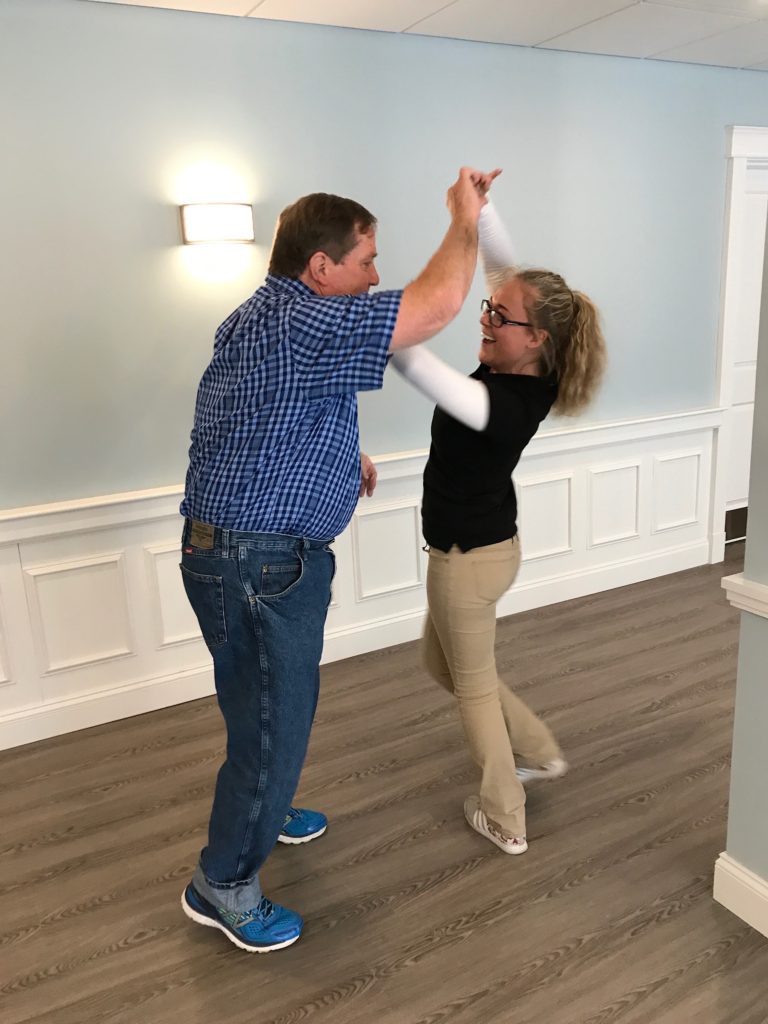
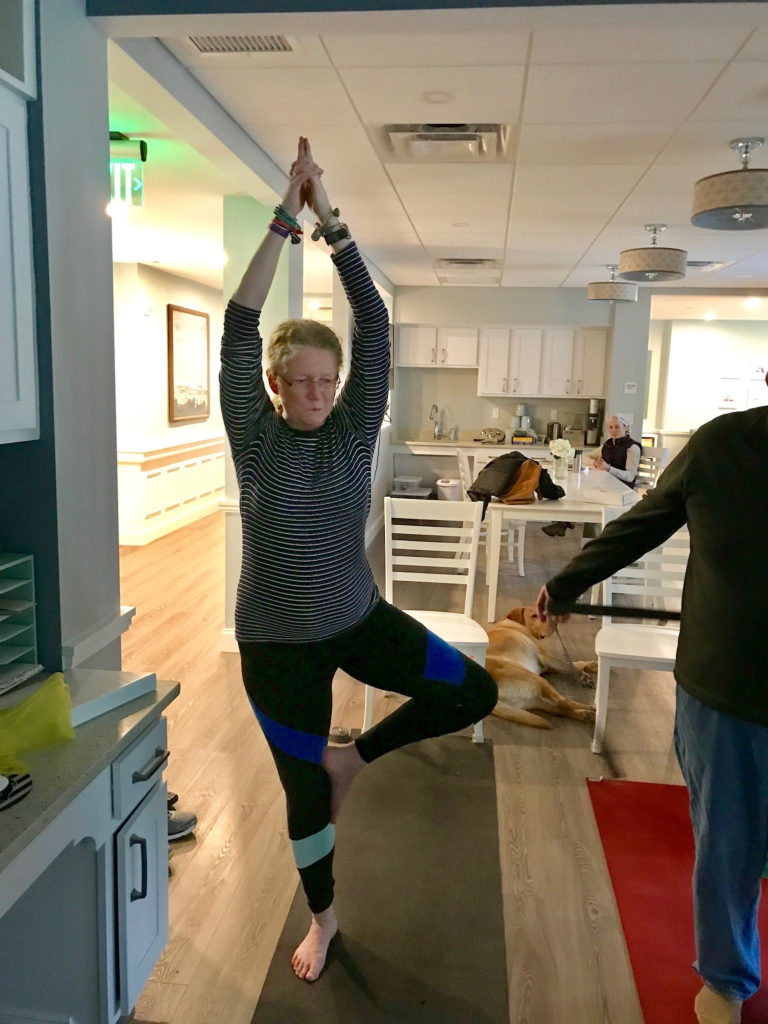
  • Exercise. Offered in both group and individual settings, exercise is a vital outlet for housemates that offers a range of emotional, physical and mental health benefits.
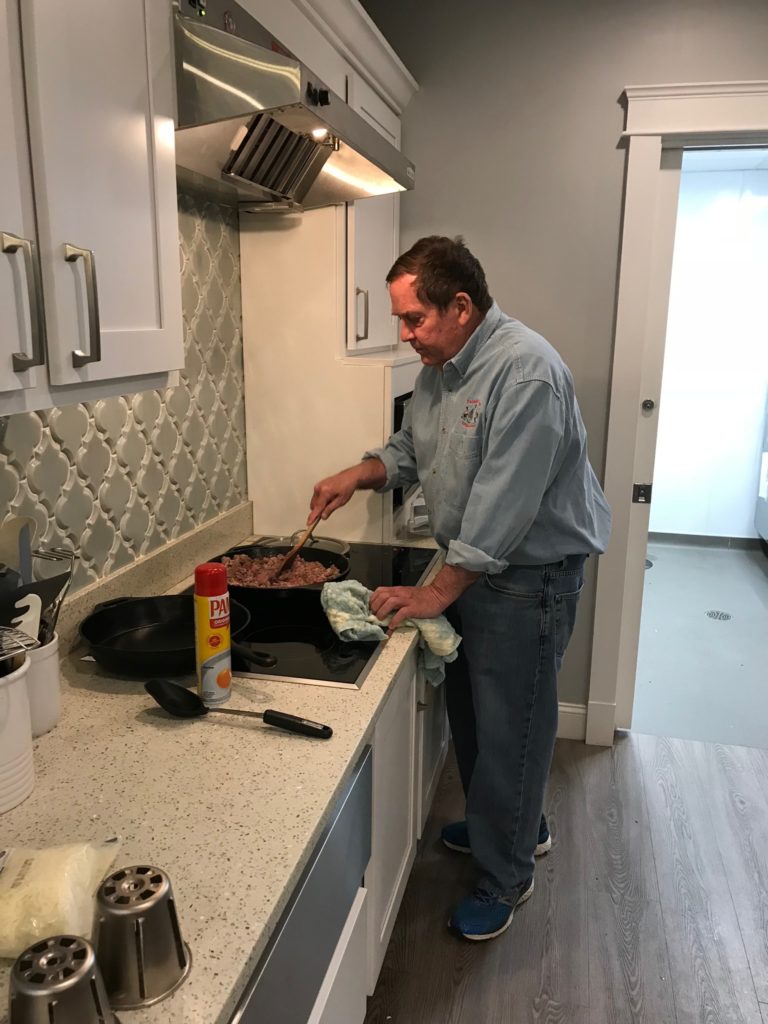
  • Domestic pursuits. Household “chores” take on new significance in a memory care setting for their tendency to normalize everyday life. From cooking and baking to gardening and daily beauty routines, we provide regular opportunities for housemates to participate in the simplest aspects of everyday life.
  • Hobbies. Whether an enduring pastime or a new pursuit, our care partners engage housemates in a range of interests. These interactive sessions are often highly social, with housemates and care partners engaging in conversation, and sharing tips and discoveries.
  • Movie nights. Evenings often wind down at The Mooring with a screening of a favorite movie, providing a familiar transition from an active day to a restful sleep.

Family Integration

In addition to life enhancing programs tailored to our housemates, we’re also mindful of the benefits of keeping family closely involved. Our First Mates program is designed to provide dementia care training to the family members and friends of housemates, encouraging deeper involvement between those loved ones and the community – while providing a clearer understanding of the balance between maintaining a sense of the “normal” and providing professional care to serve the unique needs of a residential memory care population

Therapeutic Support

The Mooring also provides onsite access to condition-specific therapies designed to enhance each housemate’s health and wellbeing. From traditional memory, occupational and physical therapy to emerging treatments for a range of conditions, sessions with our staff and trusted professional partners are routinely available.

Memory care with context: preserving connections through continuing community engagement

When an individual is diagnosed with progressive memory loss, and cognitive abilities show increasing signs of decline, few things are more grounding and reassuring than the connections that have served to define and shape his or her life. Over time, the familiar takes on greater significance by providing context in a world that seems increasingly foreign. That familiarity often serves to trigger positive memories and their associated emotions, restoring a measure of self-awareness, meaning and confidence. There’s great dignity in belonging. At The Mooring, we take every possible opportunity to remind our housemates that they’re still an important part of the world around them.

That’s why we place so much emphasis on community interaction at The Mooring. From our perspective, continued engagement is fundamental to the health and wellbeing of our housemates. It’s also a natural way to maintain the highest possible level of family involvement in each housemate’s life.

At The Mooring, community connections come in a variety of different forms, both on-site and beyond.

Internal Community

Community starts at home. And for each of the twelve housemates at The Mooring, there are frequent opportunities to engage without ever leaving the premises. They include:

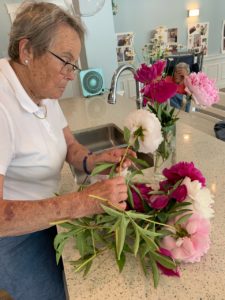
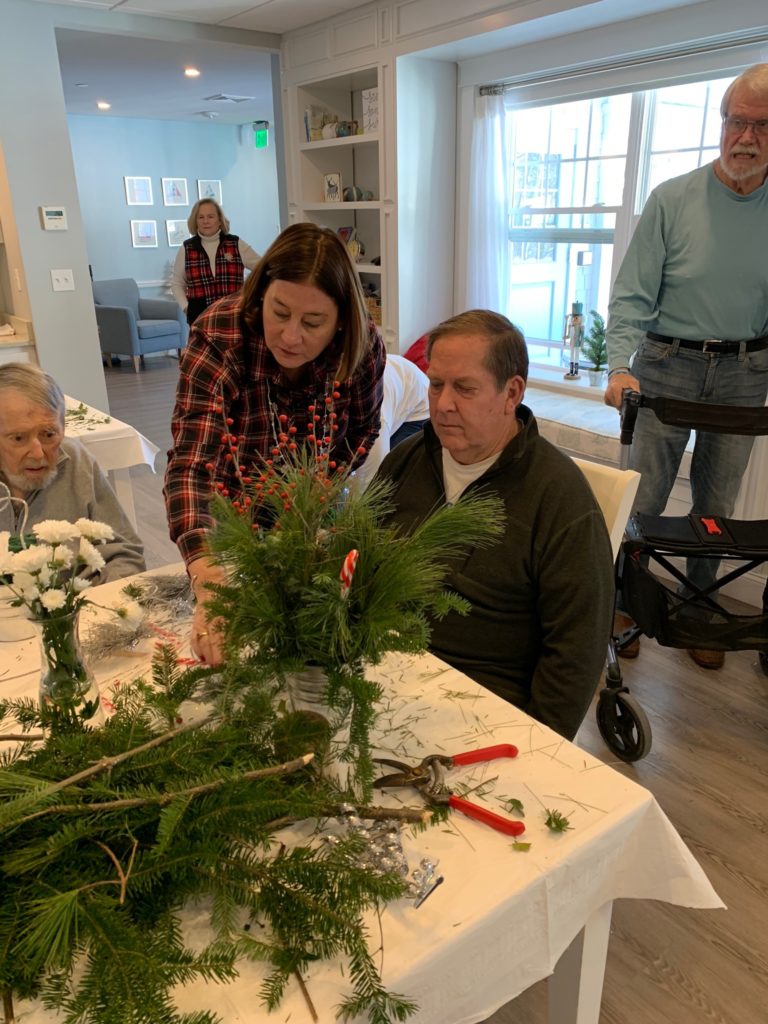
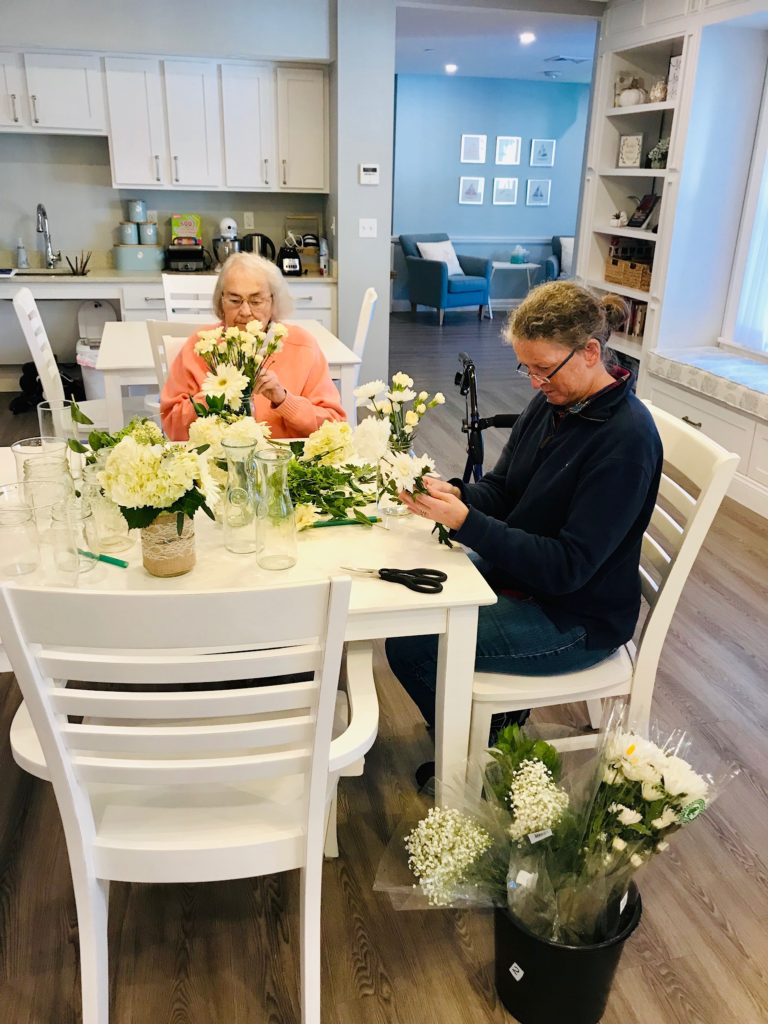
  • Group activities. From creating floral arrangements and delivering them to family members to opportunities to hear – or make – live music, The Mooring’s housemates are offered a variety of on-site pursuits each week. These pastimes are designed to engage, to provide context, and to allow housemates to interact with one another, with family members who may choose to join, and with care partners on hand to guide and monitor each session.
  • Dining. As a culture, mealtime has evolved to represent much more than an opportunity to fulfill caloric needs. For many, meals represent the single most powerful way to maintain close connections with family and friends. They give us context for our lives, and foster a sense of belonging. At The Mooring, shared meals still carry that significance. Typically offered as informal gatherings, meals at The Mooring are naturally familiar to our housemates, and family and friends are often encouraged to join. Meals are prepared either in our kitchen or on our backyard grill, and during summer months, housemates cultivate and harvest vegetables from the raised garden beds they tend.
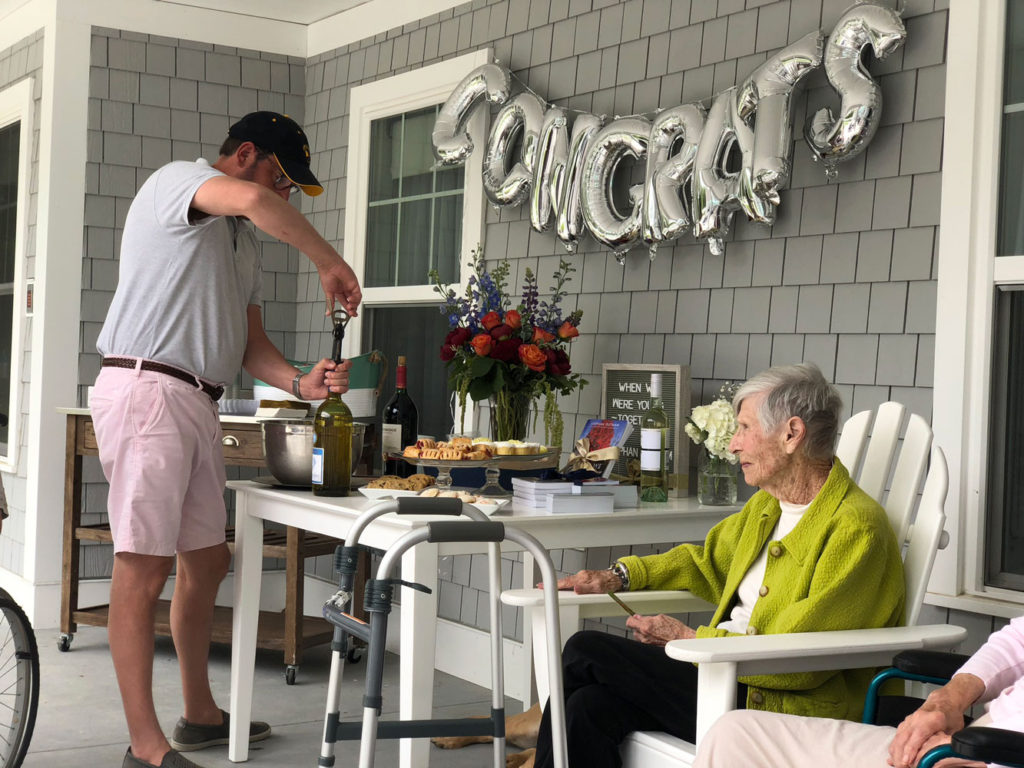
  • Social gatherings/parties. Whether for birthdays, holidays or other special events, The Mooring never overlooks an opportunity to celebrate. These gatherings can be informal, attended only by housemates and our dedicated care partners, or more formal and inclusive, providing occasions for housemates to look and feel their best when sharing time with family and friends and The Mooring community.
  • Holiday traditions. Our annual “Twelve Days of Holiday” celebration allows each housemate to share his or her favorite holiday tradition with the rest of The Mooring community. Beginning at Thanksgiving and continuing to New Year’s Day, we designate a day for each housemate, and they choose their tradition – a favorite holiday cookie recipe, a special movie, caroling – and enjoy it as a group.

External Community

  • Everyday errands. Simple tasks take on new significance in a residential care setting, and our housemates appreciate our regular trips to the grocery store, pharmacy, farmer’s market and other local businesses to purchase essentials – and to simply maintain a sense of engagement with the outside world. These trips also provide housemates with an opportunity to indulge an appetite for a special food, or for other cravings and small essentials that help to make The Mooring feel like home.
  • Cultural events. For housemates inclined toward theater, dance, music or the latest movie, The Mooring maintains a regular cultural events schedule. For most housemates, these opportunities signify a welcome return to familiar social settings, where lifelong arts aficionados can enjoy the emotional lift of experiencing a fine performance with a like-minded audience.
  • Family outings. Few influences are more powerful – or more meaningful – than family. Because of that vital bond, we encourage families to schedule regular outings for our housemates, whether for a grandchild’s soccer game, a birthday celebration, dinner out or a major holiday. These events provide a powerful boost to each housemate’s sense of belonging and self worth – and provide friends and family the opportunity to engage in a natural, comfortable setting.