The lessons of Covid-19

Maintaining exceptional care – in extraordinary circumstances

At The Mooring, where our residential living environment involves unique risks to a vulnerable population, emergency planning had long been a priority. Long before Covid-19 was first identified in Washington State – where residential care facilities were particularly hard hit – we had already begun the process of modifying our emergency plan to anticipate the known and potential risks the virus might pose to our housemates and care partners.

Like scientists, lawmakers, and healthcare professionals throughout the world, we were forced to learn about Covid-19 as its impact grew. During the early months of the pandemic, unknowns far outnumbered knowns – and our response strategy continued to evolve as new information became available. At every step of the pandemic, we embraced the most conservative measures possible, often going beyond CDC recommendations .
During the earliest months of the pandemic, we took particular pains to stock up on PPE, closed our doors to outside visitors, and took the extraordinary measure of forming quarantined care partner teams. For several weeks, these teams committed to multi-day residential shifts, relying on curbside delivery of groceries and other essentials to minimize the risk of virus exposure. During their off-duty hours, care partners maintained their commitment to quarantine conditions, virtually eliminating contact with family members and friends – and housing in place to avoid public interaction.

As our knowledge of the virus grew, we modified our efforts to keep The Mooring Covid-free. Recognizing the commitment of our care partners, we gradually returned to more normalized work schedules – and we were fortunate to maintain a dedicated crew. Throughout the pandemic, care partners committed to routine Covid screenings, to regular self-reporting, and to strict home quarantine measures.
As time passed, the pandemic’s impact grew rapidly, dispelling any notion that it would end quickly. Given the nature and health status of our residential population, we were faced with the challenge of maintaining essential third-party professional care. Our regular practice of transporting housemates for physician visits and physical therapy – and of welcoming those practitioners for on-site visits – was no longer practical. So, wherever possible, we transitioned to virtual appointments, where care providers could provide care without the risk of exposing housemates to Covid infection.

In some cases, however, virtual care couldn’t substitute for in-person consultations. In particular, specialized hospice care could only take place on-site. Accordingly, we worked with third party care providers to ensure their commitment to regular Covid testing, and to strict masking and social distancing protocols. In every case, we worked to minimize contact with uninvolved housemates and care partners – while encouraging efficient visits to reduce on-site time.

As the pandemic – and our knowledge of the virus – grew, we doubled down on our response plan and held our course. Then, beginning in January of 2021, we welcomed the opportunity to immunize the entire Mooring population – including both housemates and care partners. After completing the required second round of inoculations, our entire population now enjoys the highest level of Covid protection available. Despite that fact, we continue to follow CDC guidelines, and remain committed to preserving the health and well-being of our housemates and care partners.

Science, however, wasn’t the only thing on our mind. As we made changes to preserve health and safety, were every bit as concerned with the impact those changes would have on the everyday lives of The Mooring family. Fortunately, we never lost sight of those concerns – and we adjusted accordingly. And now we’re in the position to reflect on those efforts.

Our philosophy held strong

With the attention of The Mooring’s management team focused squarely on the evolution and implementation of pandemic response measures, we knew the strength of our operational and care philosophy would be put to the test. Despite the fact that concerns about Covid-19 were always on our minds, we never lost sight of our ultimate responsibility to our housemates’ well-being.
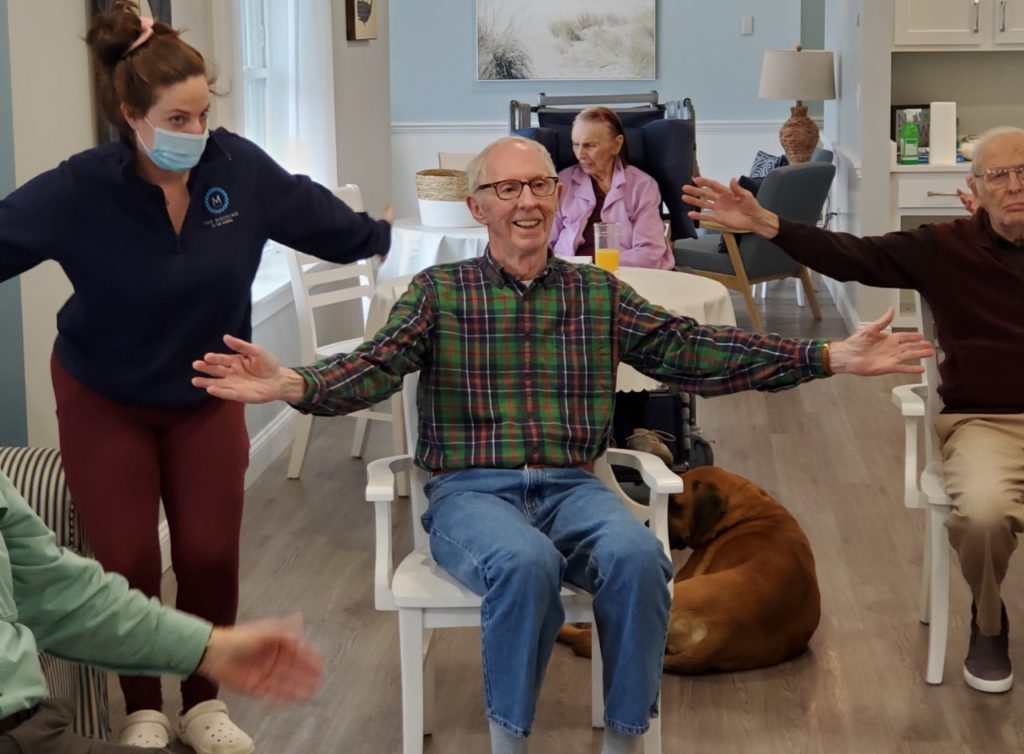
Naturally, well-being is a big umbrella – and while we were thoroughly committed to our efforts to prevent Covid infection, we couldn’t simply press “pause” on the need to nurture the mental, emotional, and physical health of our housemates until after the pandemic.

For our housemates, The Mooring is home – and for the duration of the pandemic, we knew we’d need to adjust our routines. Many of our pre-pandemic practices involved lots of outside interaction. Housemate family and friends were regular fixtures on-site, taking part in meals, celebrations and activities. Daily schedules often featured day trips to local stores, restaurants, and events, including plays, live music, and picnics. Frequently, housemates were even able to attend family gatherings, and sporting and cultural events featuring friends and relatives. Almost without exception, the risk of Covid exposure made those freedoms and pastimes impossible.

The difficulty, of course, is that consistency, contact, and engagement play a crucial role in slowing dementia’s progress. Life without interaction simply isn’t normal. So we decided to make the absolute most of the tools we had to create a new normal that provided many of the same benefits – while keeping our housemates and care partners safe. So we shifted gears. We brainstormed new ideas. And we created alternatives to our regular routines that filled the gap – finding a new flow that leveraged our philosophy, and preserved the highest possible quality of life at both our homes.

Here are a few takeaways that highlight the changes we made – and demonstrate the resilience of the housemates in our care, and the care partners who enrich their lives.

Takeaway #1 – Substitution – not subtraction

Each month – at each Mooring home – we schedule an average of 150 activities, which breaks down to roughly five each day. Ordinarily, roughly half of those activities were off-site, providing housemates the opportunity to actively participate in the surrounding community. During the pandemic, we were forced to curtail nearly all of those activities – but we refused to reduce the number of daily opportunities housemates would have to play, to socialize, to create, and to stay engaged and stimulated.
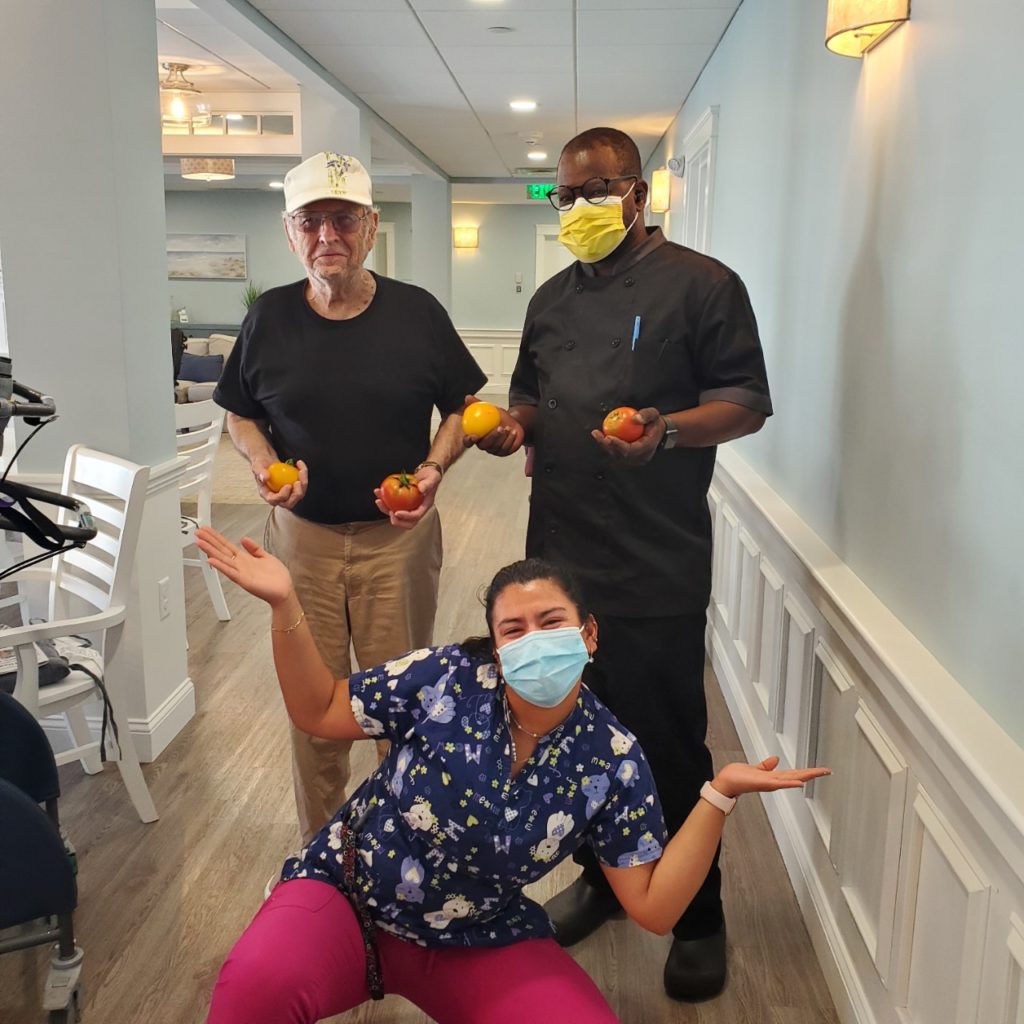
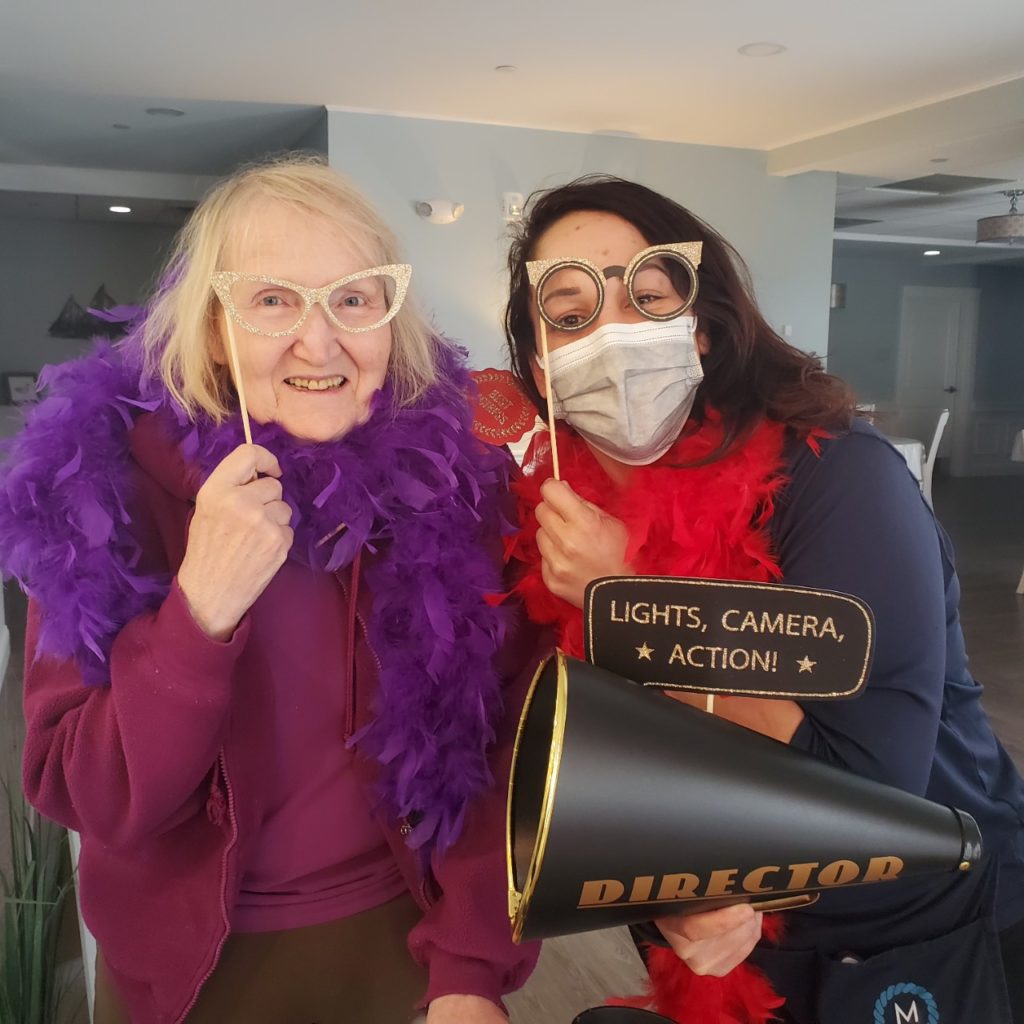
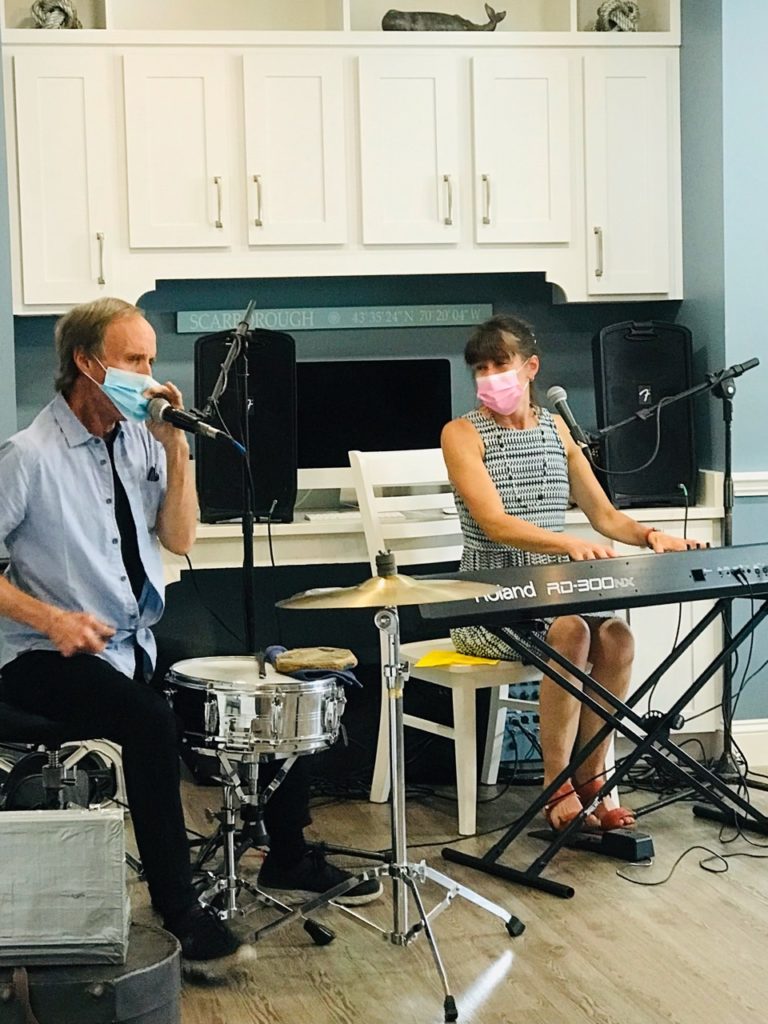
So we improvised. In short order, trips to the grocery store, restaurants, and picnics were replaced with scenic drives, dog walks, and patio meals. We celebrated more, never missing an opportunity to transform an everyday event to something special. We sang together. Weather permitting, we welcomed musicians on our socially-distanced patio. We got crazy good at puzzles. We danced. And while we lookedforward to the opportunity to resume our off site adventures, we filled the time by laughing together, creating art, and building deeper friendships with one another.

In effect, we embraced the concept of “substitution – not subraction.” It’s an idea popularized by Teepa Snow, a leading dementia care expert and advocate, and we’ve routinely turned to in our everyday housemate interactions. On the micro level, the concept helps us to move toward our housemates’ perceptions. If, for example, a housemate feels strongly about keeping their soiled napkin in their pocket after a meal, that’s absolutely fine. Later, when the opportunity arises, we can offer to make an exchange for a clean handkerchief. In most cases, the one-for-one exchange resolves the issue without stress.

Throughout the pandemic, we applied the same concept on the macro level – and with great success. While we weren’t able to venture freely into the community, we were fortunate to find safe alternatives. Our activity-accustomed housemates adapted naturally to the shift, living in the moment of their busy schedules.

If you’re interested in learning more about “Substitution – not subtraction,” we promise to do a deeper dive in a later blog. Until then, this post (https://bonniet1.wixsite.com/pacblog/single-post/the-power-of-substitution-not-subtraction) on the Positive Approach to Care web site does a terrific job of explaining the concept in greater detail.

Takeaway #2 – there’s real value in virtual engagement
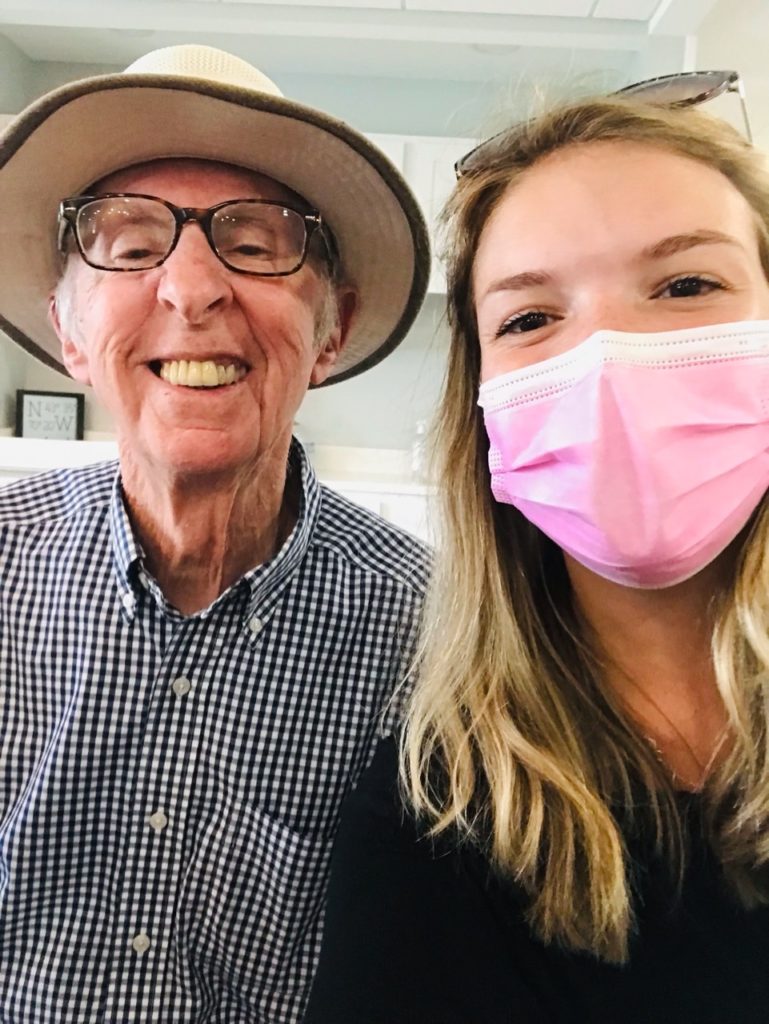
We weren’t strangers to virtual technology prior to the pandemic. Often, when family or friends were out of state or otherwise unable to visit, housemates made the most of video calling technologies like FaceTime and Zoom.

Once the pandemic took hold,  virtual communication became a vital part of everyday life at The Mooring. In addition to personal videoconferences, we quickly transitioned traditional in-person activities – including group exercise classes and live music to virtual alternatives. Housemates adjusted quickly to the change, and participation – and enthusiasm remained strong.

In addition to entertainment and connection, video technology also allowed us to significantly reduce on-site visits by medical professionals – including primary care physicians, nurse practitioners, and in many cases, both physical and occupational therapists.

In a perfect world, we still have a strong preference for in-person contact – whether with friends, family, physicians, musicians or otherwise. But under difficult circumstances, virtual technologies gave us the ability to continue nearly all of our social, entertainment and health programming – without exposing our wonderful housemates and care partners to increased infection risk.

Takeaway #3 – Care partners rise to the occasion

While high quality facilities and programming are essential elements in the effort to provide exceptional residential memory care, no single consideration is more crucial than staffing. At memory care facilities throughout the country, the Covid pandemic served as the ultimate stress test – and we couldn’t be more proud of the commitment, dedication, and professionalism of our staff.

From the very earliest days of the pandemic, we recognized the need to rethink our standard staffing practices. Like the rest of the world, our knowledge of the Covid virus was extremely limited. Out of an abundance of caution, we elected to create teams that would work multi-day shifts, with care partners staying on-site for the duration. Our care partners never skipped a beat. Without exception, they embraced the demanding schedule – and committed to maintaining strict quarantine protocols during their off-duty hours.
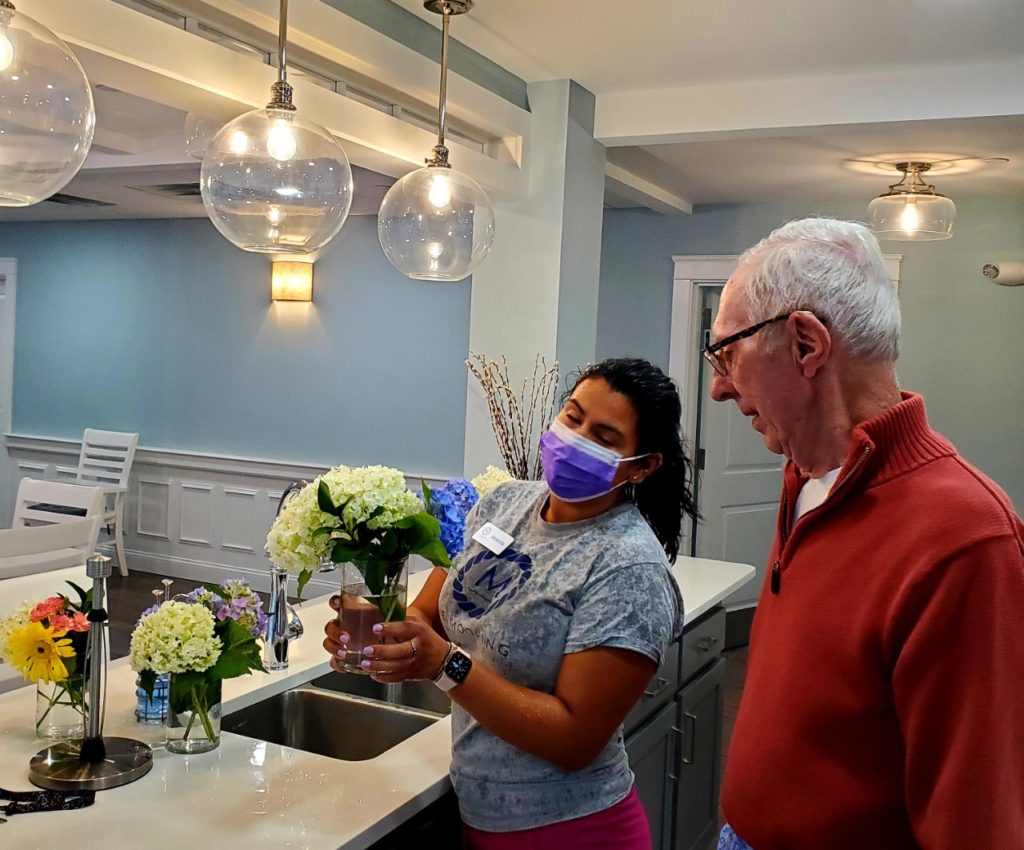
Our care partners have never been anything other than exceptional. Prior to the pandemic, it was common for off-duty care partners to visit and engage with the housemates they’d come to know and love. Our care partners don’t see their careers as work. They see it as a calling. And when circumstances called on them to go above and beyond their already exceptional commitment, they never skipped a beat.

We are enormously grateful to all our care partners for their roles in adapting to and minimizing the pandemic’s impact on our housemates. We feel the same gratitude toward our housemates and their families for their patience and understanding over the course of the pandemic. Through the support of our community, we’ve been successful in normalizing our housemates’ lives – to the fullest extent possible. Over the coming months, we’ll continue on our path, learning and adapting to changing conditions, and sustaining the warm, engaging, and loving environment we’ve all come to appreciate and expect.  

When we refer to The Mooring as a family, it’s not hyperbole. We are a family. And without the commitment of our care partners, their families, and the families of our housemates, we couldn’t do what we do.

We’re fortunate. We know it. And we couldn’t be more thankful.
Farewell winter – we’re ready for spring.

Maine is well known for long winters, and the necessary limitations brought on by the Covid-19 pandemic made the winter of 2020-2021 feel longer than any in recent memory. At The Mooring, we embraced the challenge. And while our usual activity schedule involves lots of community-based activity, we got creative. Instead of trips to restaurants, cultural events,  and local stores, we made special meals, enjoyed online entertainment, and seized opportunities to celebrate holidays, birthdays, and pretty much anything else we could think of. We also embraced technology to maintain contact with family and friends – while looking forward to the day when we could resume those visits in person.

Despite the limitations, we had a wonderful winter. Housemates and care partners made the most of every moment, and we grew closer as a group – forming deeper friendships and learning more about the things we enjoy – and the things we don’t. And while we wouldn’t trade the time we shared, it’s safe to say we’re more excited about the approach of springtime than ever before.

Warming up to warmer weather – and longer days.

Officially, residents of the Northern Hemisphere welcome spring right around March 20th each year. That date roughly marks the spring equinox, which, from an astronomical perspective, is when the sun is positioned directly over the equator – and the length of day and night are the same. Unofficially, springtime starts with late winter’s first reasonably warm day, when the light lingers noticeably longer in the sky than it has since November.

From a purely human standpoint, spring is marked as much by a feeling as it is by the calendar. The birds feel it, and express it with each morning’s dawn chorus. The plants feel it, as crocuses break through thin layers of snow to soak up the sun. And people feel it, responding with smiles as they walk outside and breathe in warm breezes, rich with the aroma of thawing earth.

There’s a natural inclination to lean into the promise of spring. And at The Mooring, that’s just what we do. It starts gradually. On sunny days, when the mercury rises above freezing, we bundle up and head to the patio to replenish our stores of vitamin D. To beat back any chill, we’ll often crank up our outdoor fireplace and gather ‘round to chat, take in our surroundings, and bask in the assurance that winter is winding down. We might even fire up the grill – something we do even when the weather’s cold – for a taste of warmer days to come.

Our activity roster also reflects the promise of warmer days. While winter’s extremes typically keep us confined to the van during our daily scenic drives, springtime gives us the opportunity to open the doors during our daily adventures. As weather permits, we’ll add a touch of exploration to our stops for short strolls, beachcombing, and even an occasional picnic lunch. The activity is always energizing – and often conducive to a great night’s rest.

Getting ready to grow.

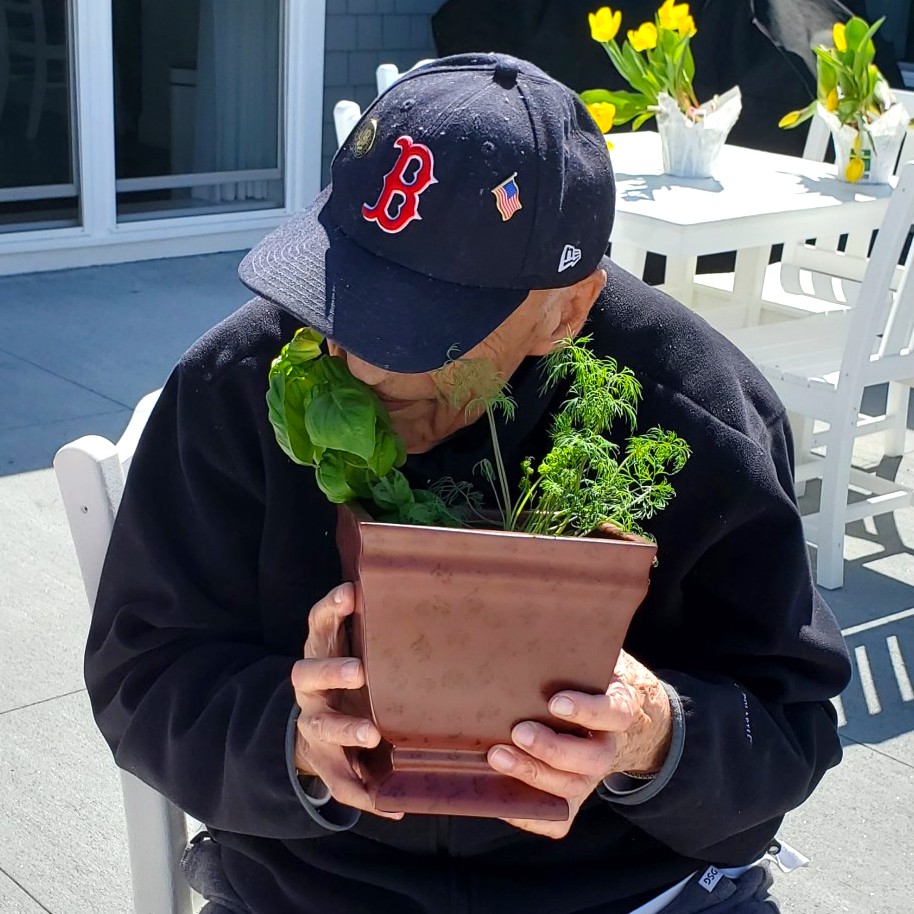
While warmer weather and increasing sunlight invariably trigger spring fever at The Mooring, garden planning is our first annual acknowledgement that winter is beginning to wane. In late February and into March, housemates and care partners start the tantalizing process of reviewing seed catalogs for springtime planting. Despite the snow cover, this process reminds us that change is coming – and planning for planting generates lots of excitement.

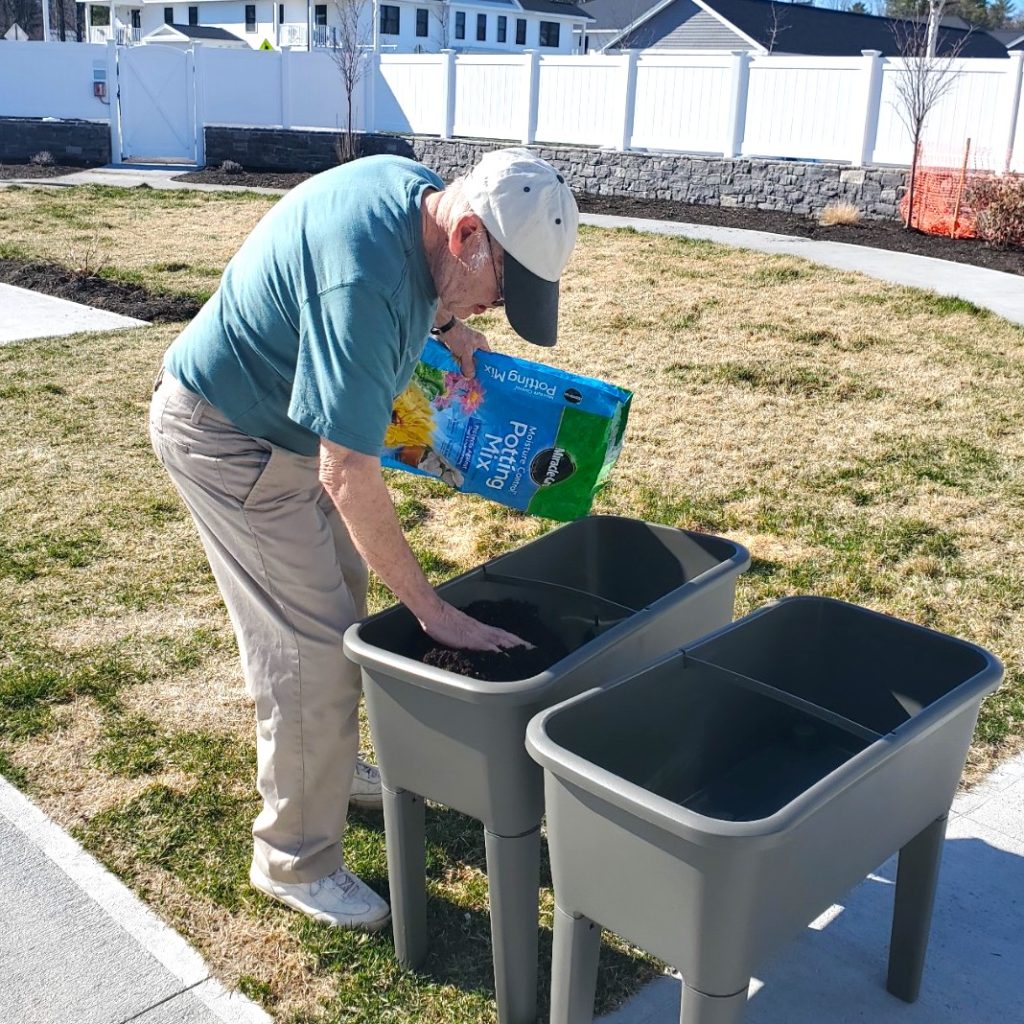
So we plot our plots – and begin the process of planting the seeds that will eventually produce the coming summer’s harvest. As soon as we can, we start getting our hands dirty, planting starters for tomatoes, cucumbers, and other delicacies that’ll eventually grace our kitchen and our plates. We also look for annual and perennial flowers that brighten our surroundings, while providing plenty of opportunities for pollinators like bees and butterflies to flourish.

By the time the earth warms up – and the risk of a late frost is low – we’re ready to commit our burgeoning nursery to our raised garden beds. All of our housemates take part in any way they can, whether by physically planting, or simply bearing witness to a prosperous and productive future. For many housemates, the process of gardening seems almost reflexive – tapping into memory resources unaffected by progressive dementia. And for all of our housemates, our gardens provide abundant therapeutic benefit. Whether they take part by planting or “supervising,” our housemates all enjoy the gratifying sense of seeing growth and change – and enjoying the results at harvest time.

Freedom of movement

While we stay physically active during the winter months – most recently with in-house physical and occupational therapy and Zoom workouts – springtime always brings greater opportunity to venture out, experience Maine, and move. Those explorations begin right in our own secure backyards, where our patios, gardens, trail network – and in the case of The Mooring at The Downs, our neighborhood sidewalks – offer something for every level of activity.

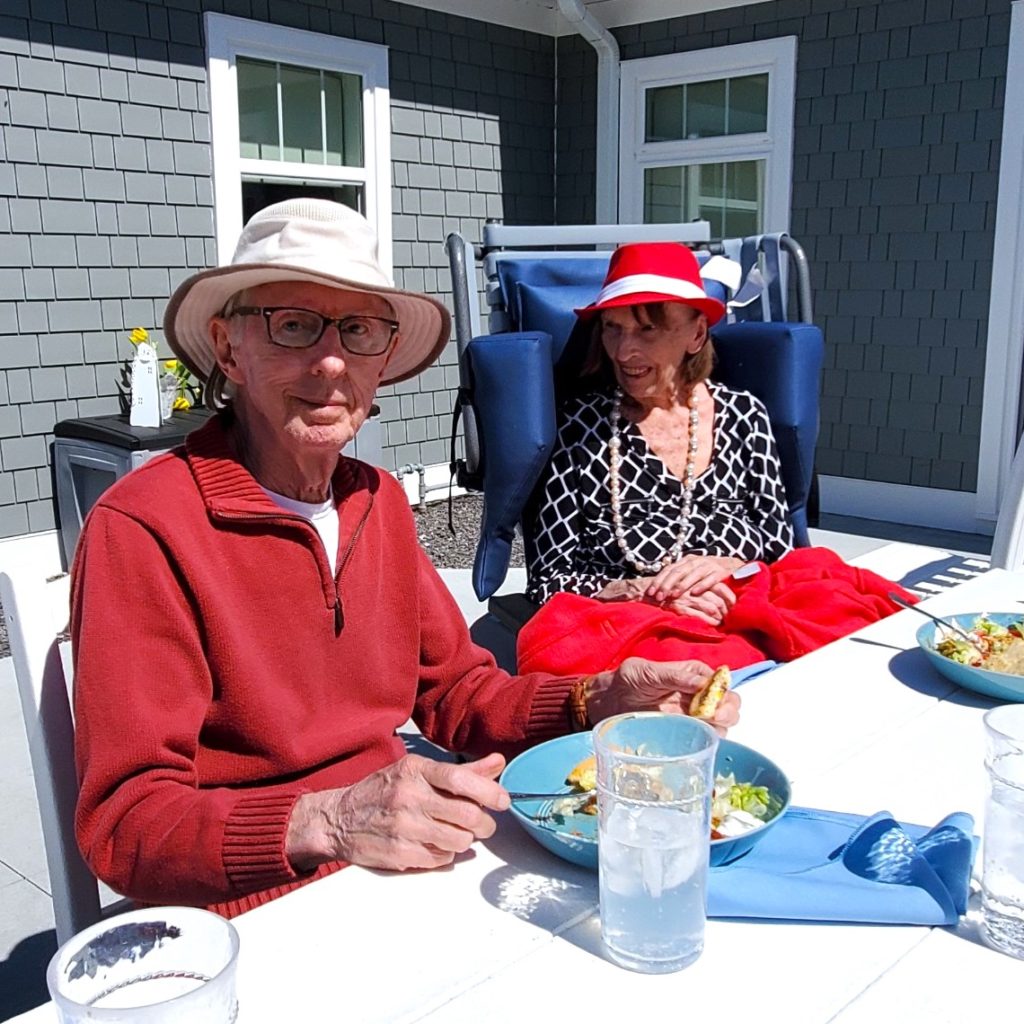
In terms of regular use, few spaces see more action than our spacious patios. While winter invariably affords us a few sunny days for bundled-up suncatching, springtime finds us venturing out at every opportunity until time spent outside rivals the number of hours we spend indoors. We grill – and even dine outside – whenever we can. We gather around our outdoor fireplace. We take turns on our always-popular recumbent trike. We exercise. We play games. And above all else, we simply enjoy the fresh air and the environment, catching glimpses of local wildlife, and relaxing in the company of other housemates and care partners alike.

The garden – as discussed above – also commands increasing attention and enthusiasm with each passing day. We start by clearing out the remnants of last year’s crops, and move on to planning and plotting which plants and seedlings will go where. Then, once temperatures have stabilized and the soil is sufficiently warmed, we commit our plans to the earth – and wait for nature to take its course.

For the more adventurous, our walking trails (at The Mooring on Foreside) and neighborhood sidewalks (at The Mooring at The Downs) provide a safe, satisfying opportunity to stretch out, explore, and enjoy our local environment. These strolls are also big favorites for our canine companions – Mick (Foreside), and Moose and Otter (The Downs), who always welcome the chance to join housemates and care partners during their perambulations.

Post Covid Possibilities

With increasing rates of vaccination, we’re cautiously optimistic we’ll be able to gradually expand our horizons to the communities around us. Thanks to recent changes in CDC and CMS guidelines, we’ve already resumed in-person visits with family members – breaking a nearly yearlong hiatus. It’s difficult to overstate the value of personal contact, for both housemates and their family members alike. The relief that accompanies that connection is palpable, and recent visits have been joyful – and emotional.

As safety permits, we anticipate the resumption of outdoor visits to some of our favorite local locations – like Fort Williams Park, Kettle Cove, Winslow Park, and other familiar public areas. These outings provide a welcome change of scenery, and offer an opportunity to see both familiar sights and happy people. This return to normal adds wonderful dimension to life.

We’re also optimistic that this spring may allow us to resume other favorite off-site activities. From everyday activities like a trip to the supermarket to special events like a restaurant meal, a musical performance, and other cultural experiences, increased vaccination rates promise a return to pre-pandemic norms that enrich life, increase engagement, and help to sustain the hope and optimism that mark “normal” everyday life.

The Mooring at The Downs: Learning, Growing and Building on Success

We started this journey with an idea. Not the sort of idea that comes in a rush, all at once, but something much more deliberate – formed and shaped by years of experience in the world of assisted living and residential memory care. Over the course of those years, members of our team worked in a variety of assisted living environments and occupied nearly every imaginable role. We kept a careful tally of what worked, what didn’t, and what might. We researched other care models. We borrowed from the best. And over time, those curated ideas came together to form a new concept in residential memory care.

This concept represented – in our collective opinion – the best of the best. And in 2017, we brought that concept to life with The Mooring on Foreside.

But isn’t this story about The Mooring at The Downs?

Yes. It is about The Mooring at The Downs – and we’re both excited and grateful for the opportunity to bring our concept to a whole new community in a whole new setting. But it’s much easier to tell the story of our new Mooring by referencing our first Mooring – because in many ways, The Mooring at The Downs (The Downs) and The Mooring on Foreside (The Foreside) share a lot of the same DNA. For example, both facilities:

  • Accommodate no more than 12 housemates at any given time. In our experience, 12 is residential memory care’s magic number. It’s just right for creating real, close-knit community, where each housemate grows familiar with each of his or her care partners and 11 immediate neighbors. And when housemates need solitude? It’s easy to find it.
  • Feature individual suites for each housemate. Each housemate’s suite – made up of a spacious bedroom/living area and full bathroom – is very much his or her own. From furnishings to artwork to favorite belongings, these spaces are individualized havens where housemates enjoy rest, solitude, company, or quiet activity on their own terms.
  • Incorporate an abundance of warm, inviting, familiar shared space. Our shared spaces are scaled and furnished to feel instantly and universally familiar. Everyday areas, like our open kitchen and dining room, living room and activity space, provide ample space to accommodate any level of desired social stimulation – from a quiet, personal pastime to a lively celebration.
  • Encourage housemates to take part in everyday activities. From grocery shopping and cooking to laundry and housekeeping, housemates are encouraged to take part in as many daily chores and routines as they choose. In a memory care setting, home keeping tasks take on new meaning and importance, often providing a welcome sense of purpose and structure.
  • Have an open-door policy for family and friends*.Visitors are an integral part of everyday life at The Mooring. Over time, relationships extend from one housemate’s family to another’s, and over time, visits start to feel like homecoming celebrations. In the past, we’ve been honored to build long-term friendships with the family members and friends of housemates who’ve passed on – further strengthening the community for housemates and care partners alike.
  • Boast more than 150 activities each month. This remarkable tally, which works out to more than 5 activities per day, includes group and individual options that take place both on-site and in the surrounding community.* We develop our activity lists with lots of input from housemates, their families and their friends, much of which is gathered during our once-monthly activity planning meetings. With on- and off-site activities that run the gamut – including cultural events, athletic competitions, music performances, restaurant meals, wine and beer tastings, light hikes, crafts, cooking and scenic tours – each day’s plan includes at least one activity sure to stimulate each housemate’s curiosity.
  • Are designed to look and feel like home. We recognize the fact that each housemate brings his or her own impression of what “home” looks and feels like. And while we can’t exactly replicate those spaces, we’ve worked diligently to create environments that feel warm, welcoming and universally familiar. Over time, as housemates settle into the rhythms and settings of The Mooring, they relax, engage, and feel increasingly at home. From secure outdoor patios and shared interior spaces to individually-appointed living suites, housemates are constantly reminded that they’re safe, settled, and in the loving hands of dedicated care partners.
  • Offer standard-setting care partner-to-housemate ratios. Given our focus on individualized care, we make every effort to hire, train and retain exceptional care partners. Because of our high staff-to-housemate ratios, care partners are able to build close, personal relationships with those in their care.

So what’s the difference?

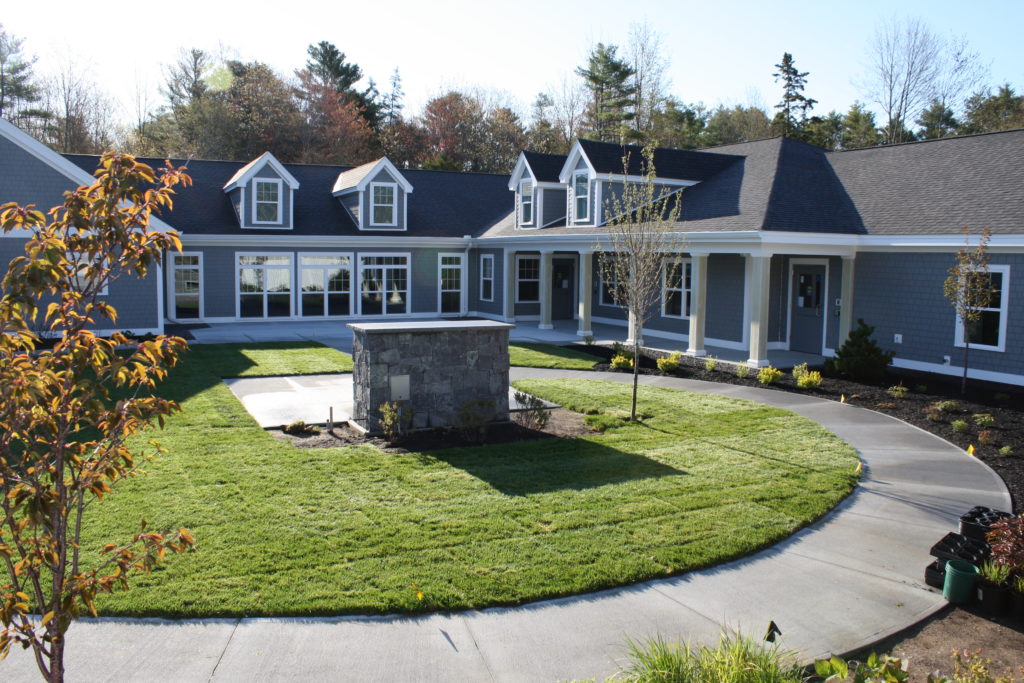
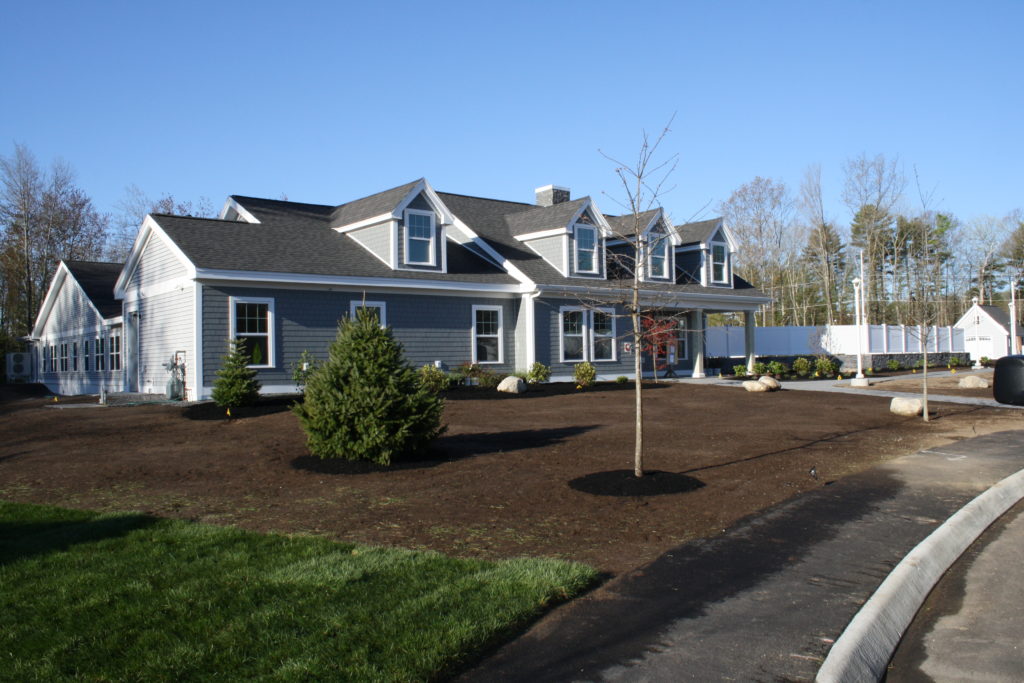
At first glance? The setting. While The Mooring on Foreside is situated in a serene forest clearing, The Mooring at The Downs is at the heart of one of Scarborough’s newest residential neighborhoods. Where The Foreside offers secure forest trails and abundant wildlife, The Downs’ prominent village location means we’re more in the thick of things. Many of our windows – and our spacious, secure patio – are situated to see the comings and goings of everyday village life, making for lively people watching. We’ll also take advantage of the neighborhood’s pedestrian-friendly design for regular walks, taking time out to meet our neighbors and explore nearby businesses.

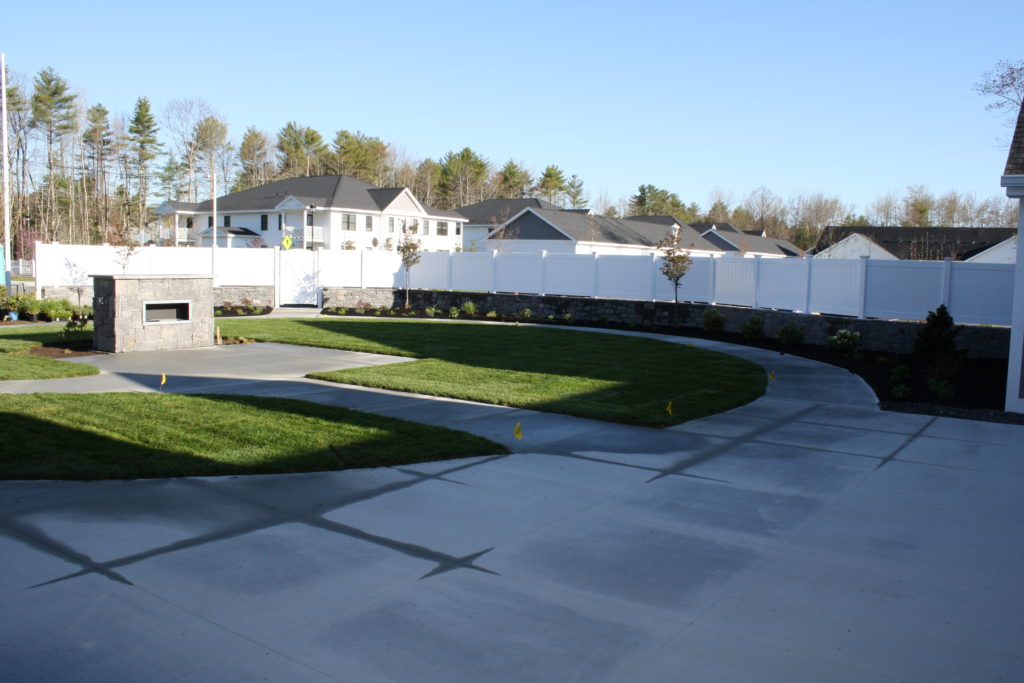
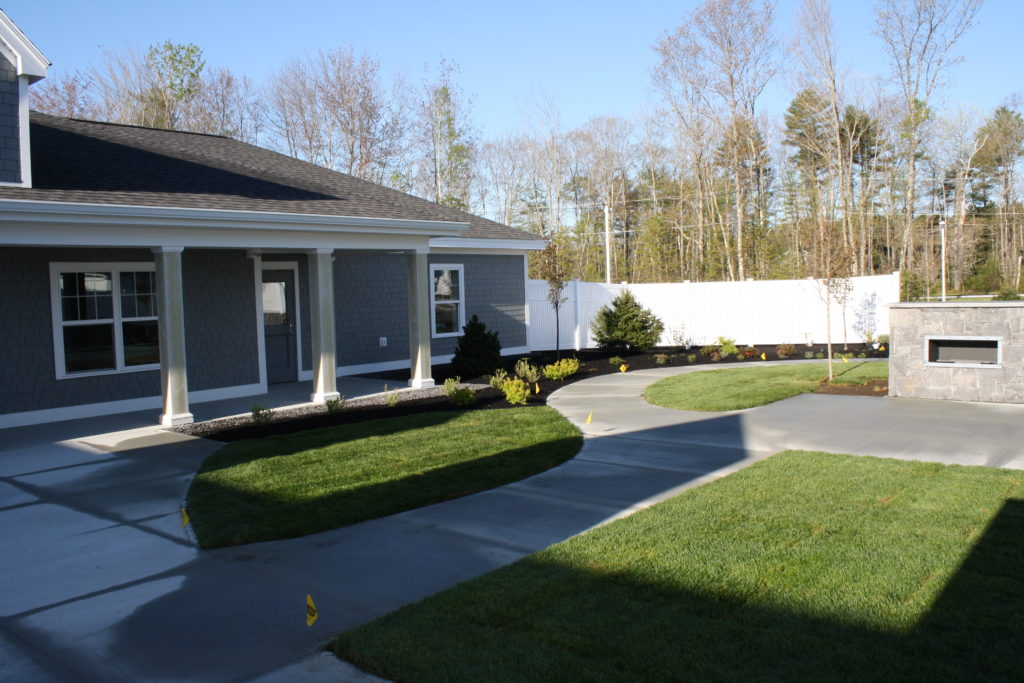
While The Downs isn’t situated in the forest, we’ll still have plenty of access to wildlife and the great outdoors. In addition to our large, private patio – where we’ll garden, grill and enjoy the changing seasons – we have easy access to neighborhood walking paths tailor-made for fair-weather strolls with care partners. And with plenty of windows to let in lots of natural light, we’ll have clear views of nature’s ever-changing seasonal scenery.

But the biggest difference of all?

To put it simply, it’s the people who make The Downs different. While both homes are guided by the same philosophy, and share a great many livability-inspired design cues, it’s the housemates, their families and friends, and their care partners who make each Mooring feel like home.

At The Mooring, we understand that housemates are individuals – each with unique histories, pastimes, passions, strengths and challenges. Accordingly, our care model is designed not to enforce conformity, but to accommodate and celebrate differences. No two Mooring housemates – at either home – will have the same experience. But we do everything we possibly can to make sure each housemate’s experience is the best and most fulfilling it can possibly be.

So, like The Foreside, The Downs represents the absolute best in residential memory care. Both provide a safe, supportive, familiar environment for each and every housemate. Both offer programming designed to leverage each housemate’s unique cognitive strengths – and to accommodate his or her challenges. Both offer the warmth, support and expertise of care partners who see their work as a calling – and who quickly come to feel like extended family. And both provide a place for each housemate to live as unique individuals – with all the autonomy, self-respect and dignity he or she has earned over the course of a uniquely remarkable life.

*In light of the ongoing pandemic, we’re taking a range of precautions to protect our housemates and care partners from exposure to Covid-19. For the time being, all visits by family and friends are virtual. We’re getting pretty good at Skype and Zoom. The focus of our activity calendar, which typically involves at least one community-based activity per day, has also shifted considerably. Most activities take place on-site, sometimes enhanced by live video feeds, and our offsite trips are limited to scenic drives. We’re enormously thankful have each other, and we’re still staying active, happy and engaged. But like everyone else, we’ll be thrilled when the vital importance social distancing is behind us.